
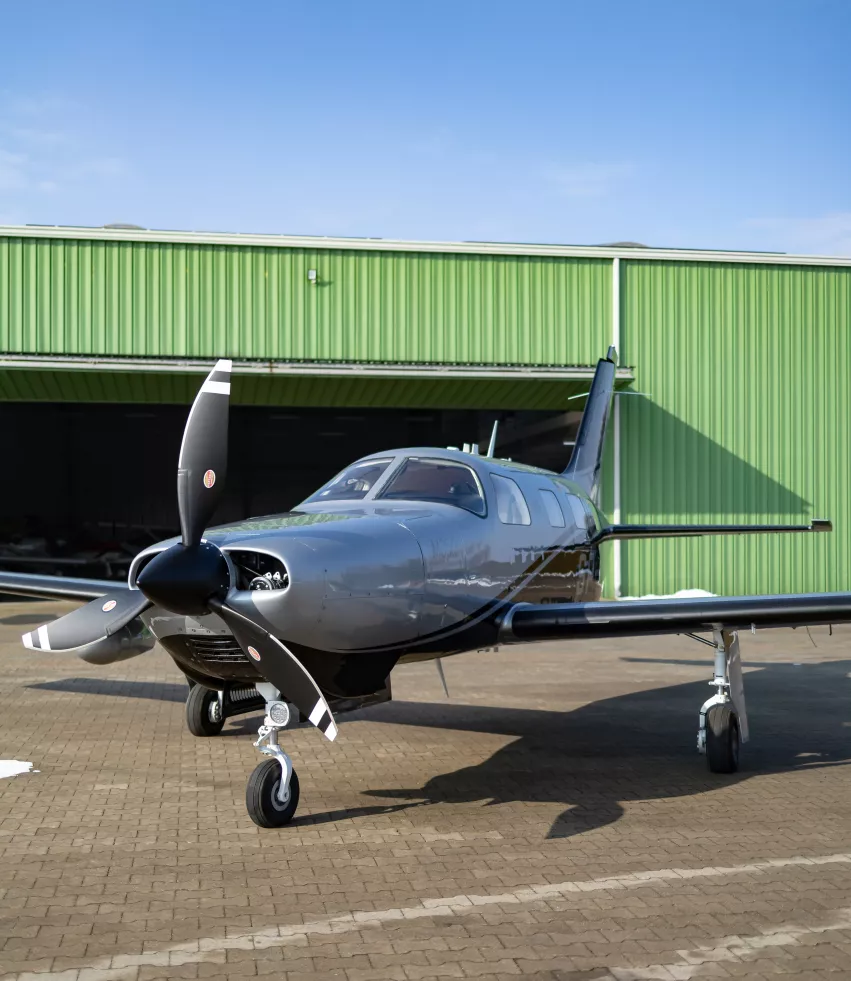
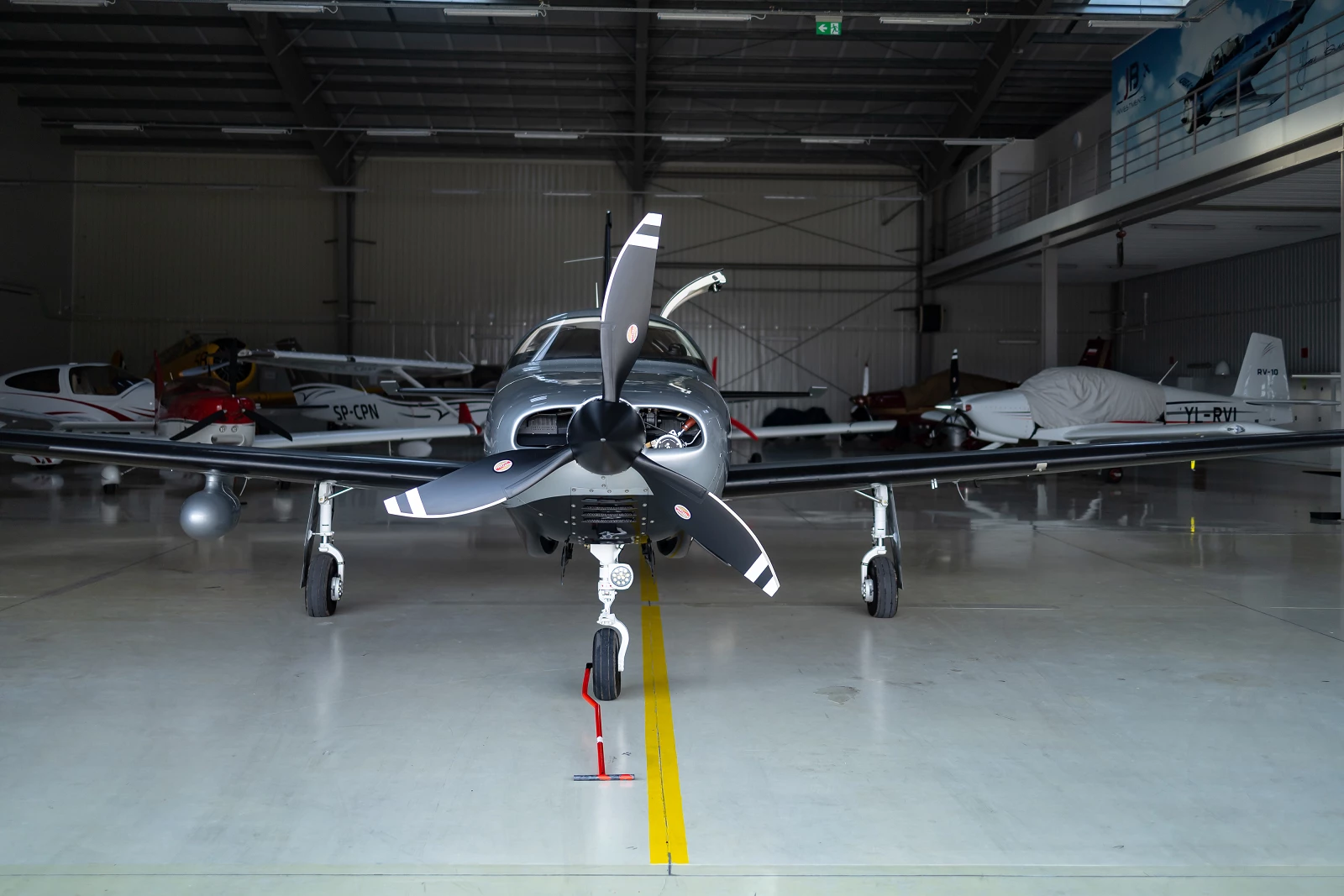
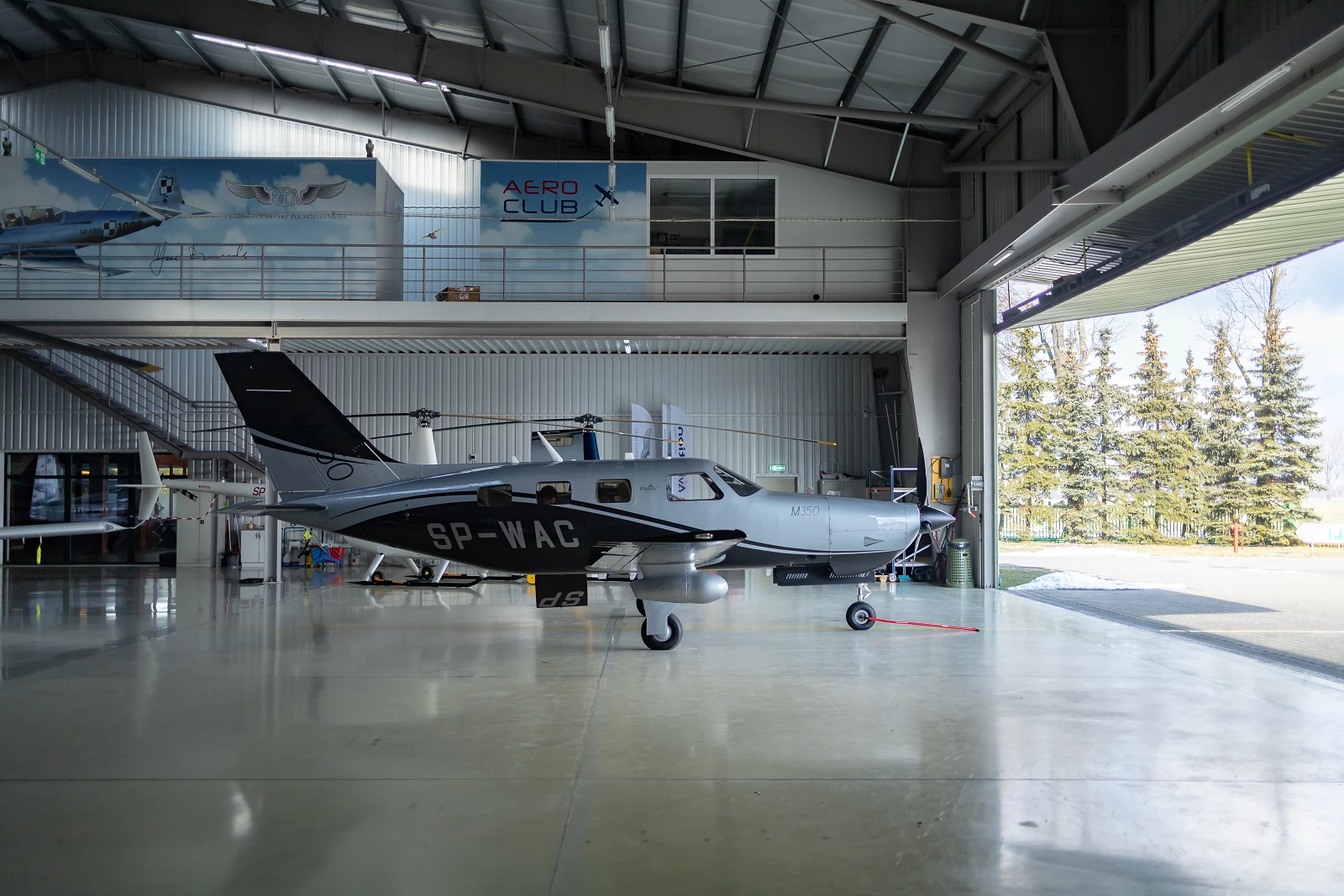
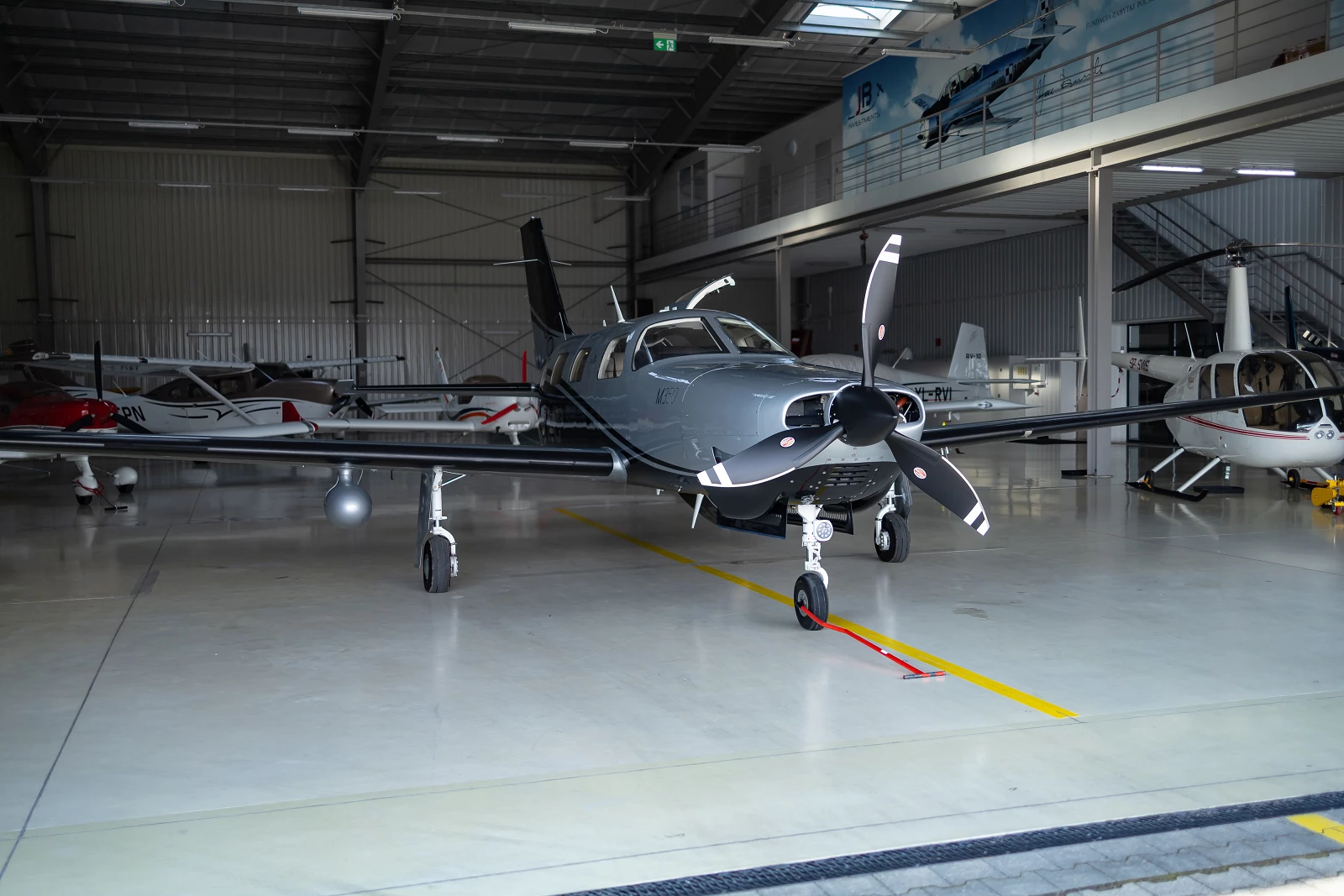
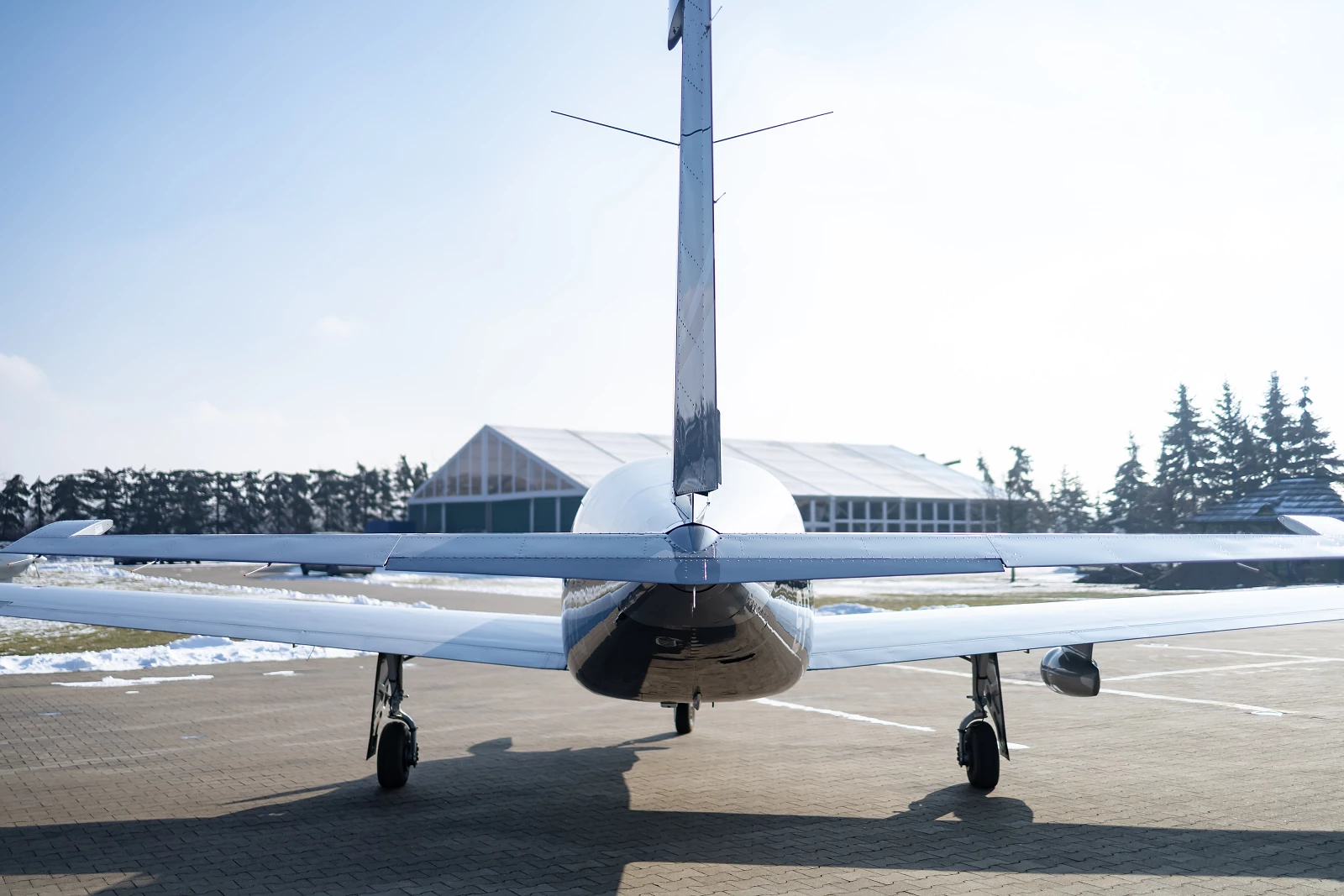
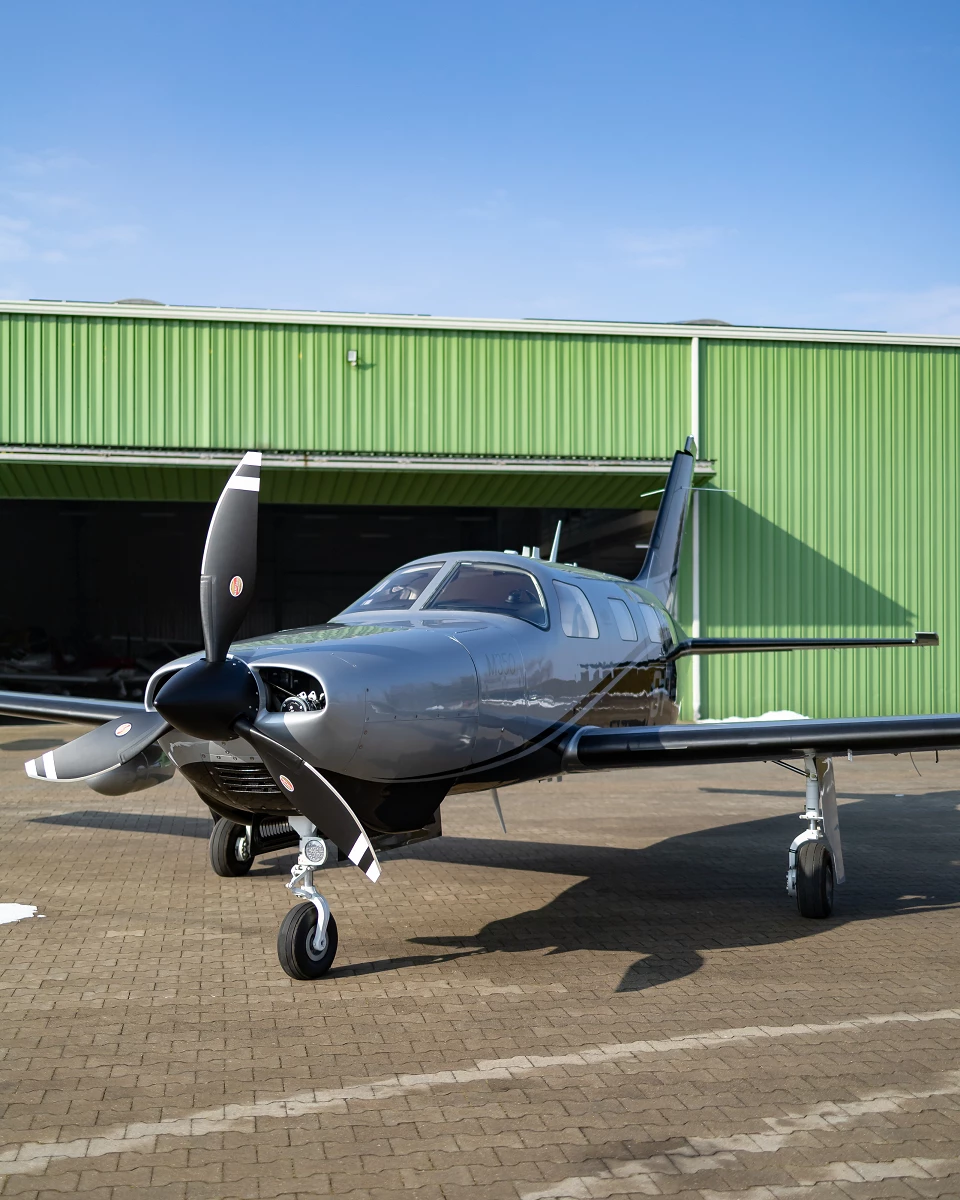
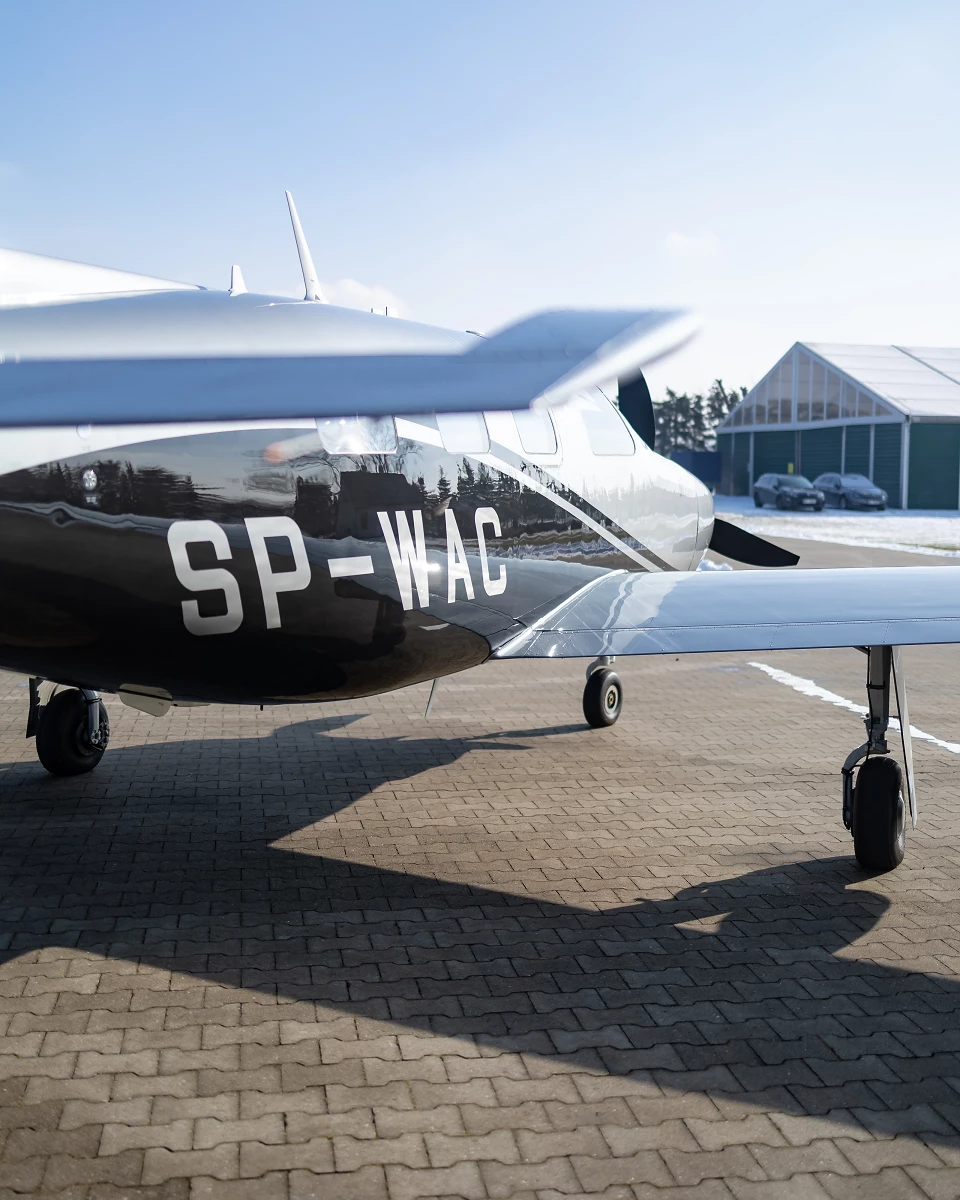
The Piper M350 opens the range of six-seat M-Class aircraft. The most affordable aircraft equipped with a pressurized cabin, anti-icing system and advanced IFR avionics.
All these features allow the aircraft to fly at any time of day or night, in all weather conditions and at all airports. The M350 is a fully disposable aircraft with all the features of an airline aircraft.
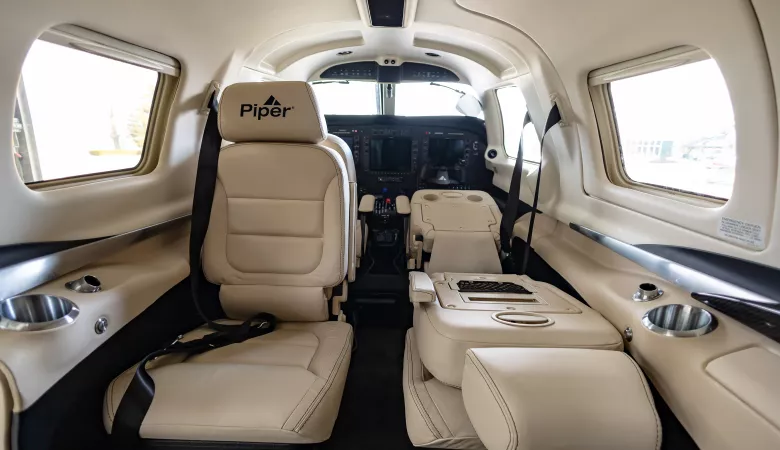
A dynamic twin-turbocharged piston engine, six comfortable seats, advanced avionics and the highest safety standards place the M350 among the most popular business aircraft in Poland.
Piper M350
New - available immediately

1+5
Pass.

1 343
nm
maximum range: 2,487 km

213
kts
cruising speed: max.395 km/h

25 000
ft
flight ceiling:7,620 m

1308
lb
payload: 593 kg
Crafted in USA![us.png [17.12 KB].](https://www.jbi.com.pl/storage/image/core_files/2024/12/30/9e673ad387e34dc81ece80a623d784c3/png/jbinvestments/preview/us.webp)
"The M350 delivers the performance, reliability and versatility you expect".
*This sales offer does not apply to the models shown; it is based solely on marketing materials provided by Piper Aircraft and JB Aviation for product presentation purposes.
Piper M350
All the good things from an airliner
Piper M350
Power, performance, capability
![IMG_0324.jpg [2.85 MB].](https://www.jbi.com.pl/storage/image/core_files/2025/2/27/ae87812cd167e036351c6cb87ef05522/jpg/jbinvestments/preview/IMG_0324.webp)
Comfortably on board
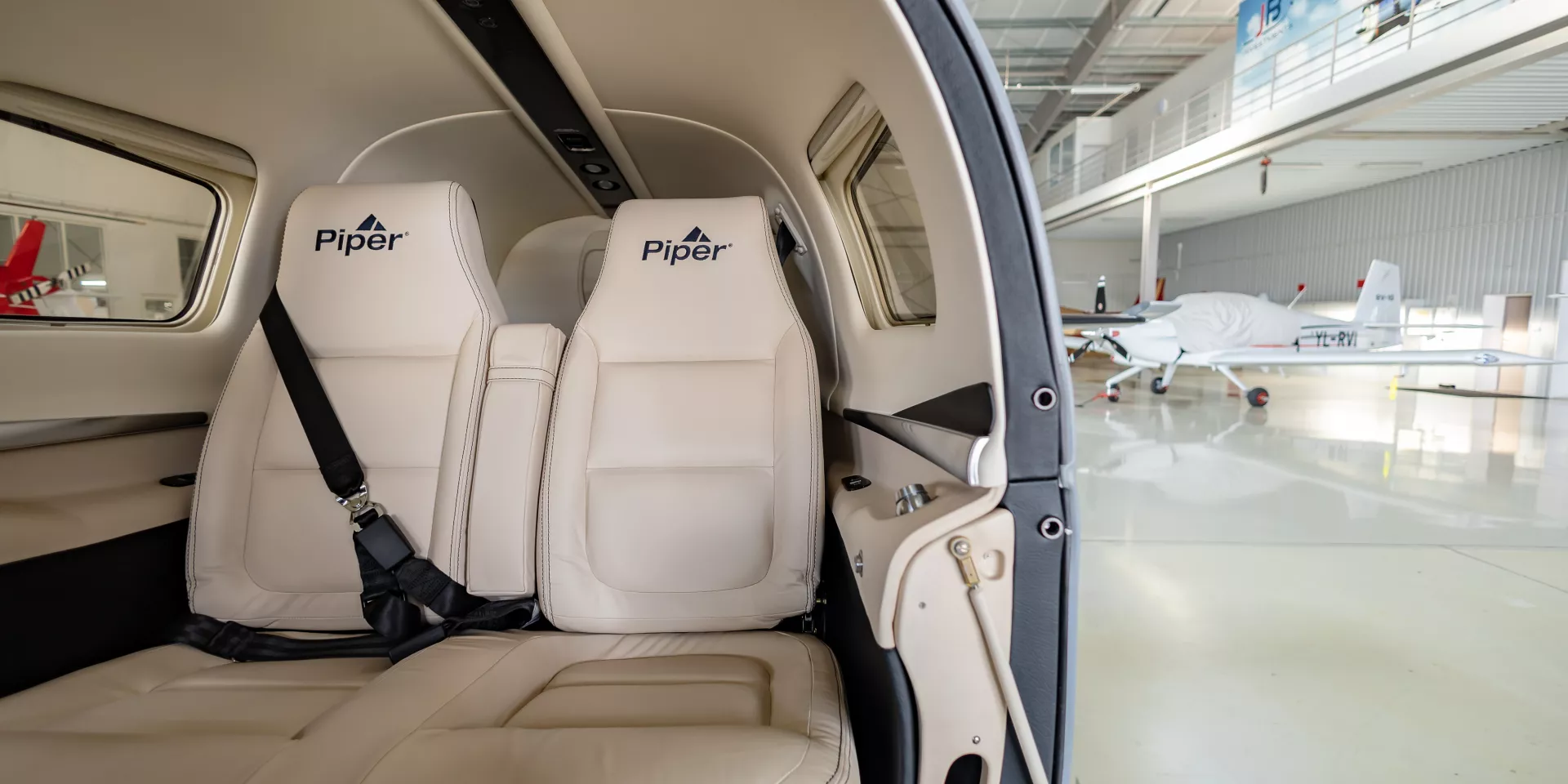
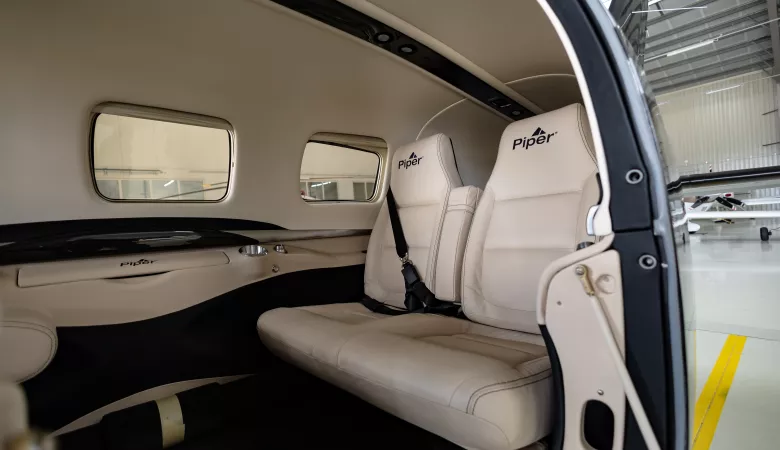
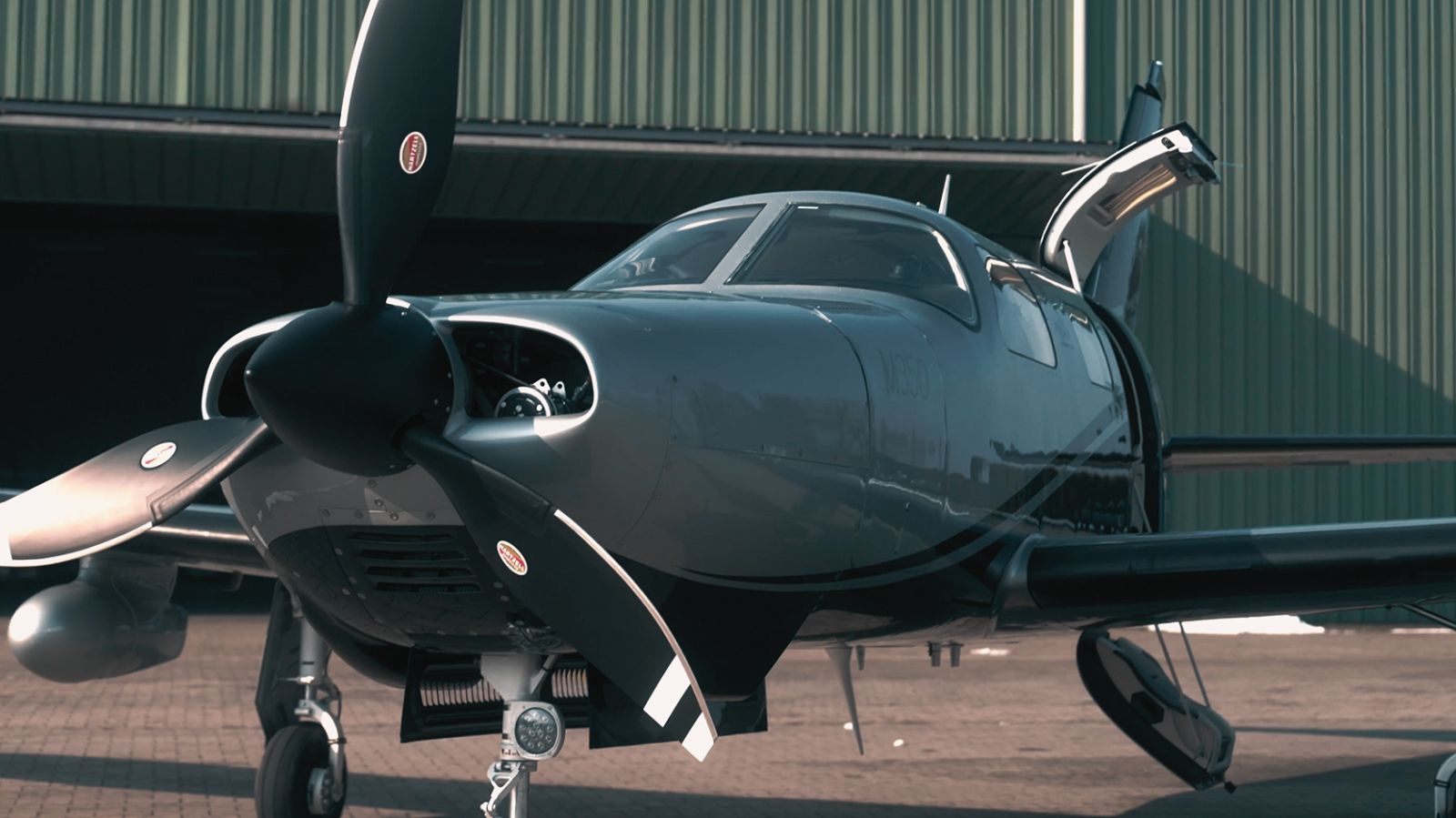
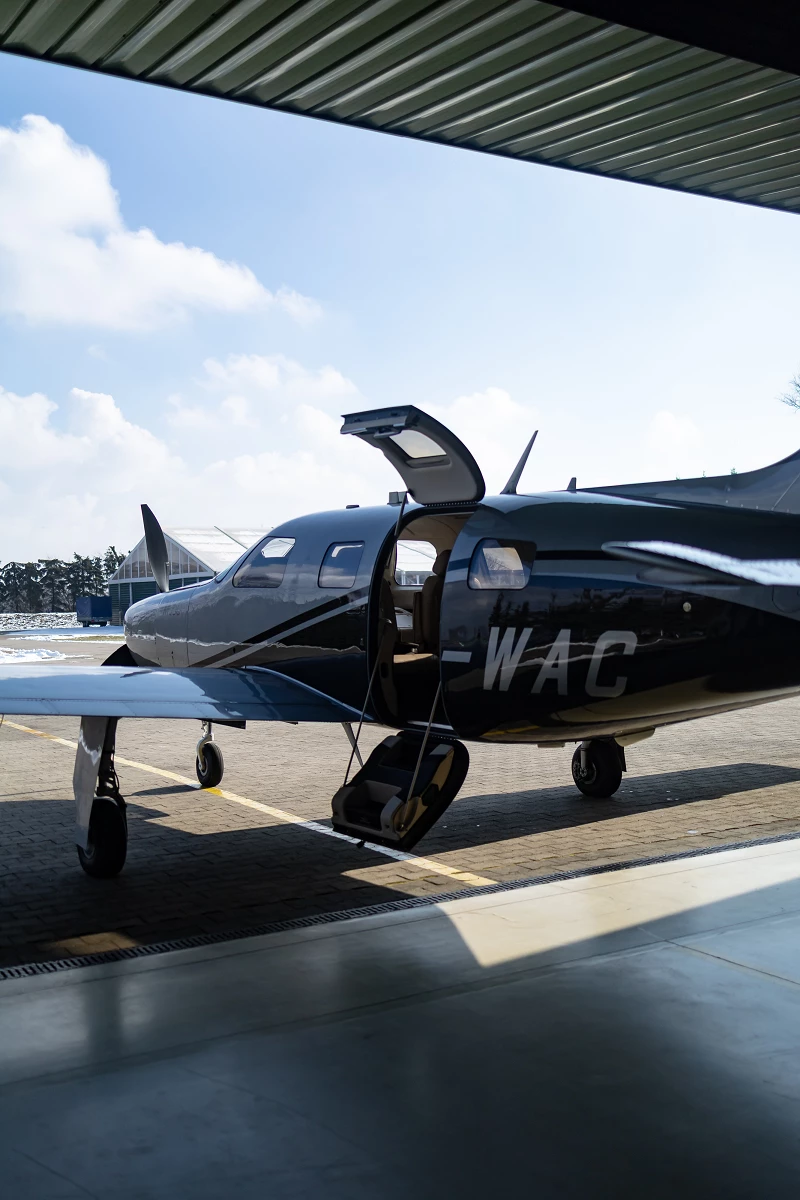
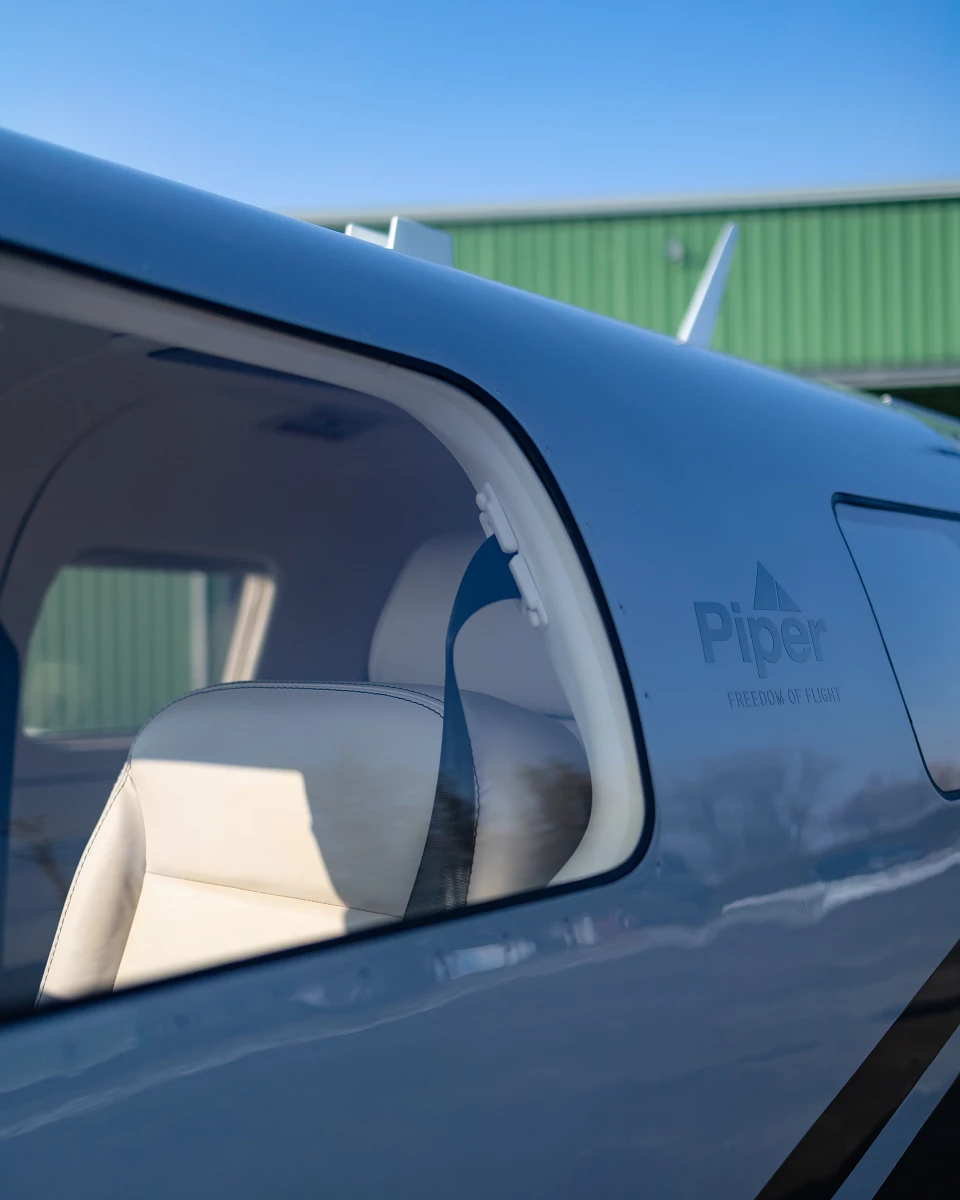
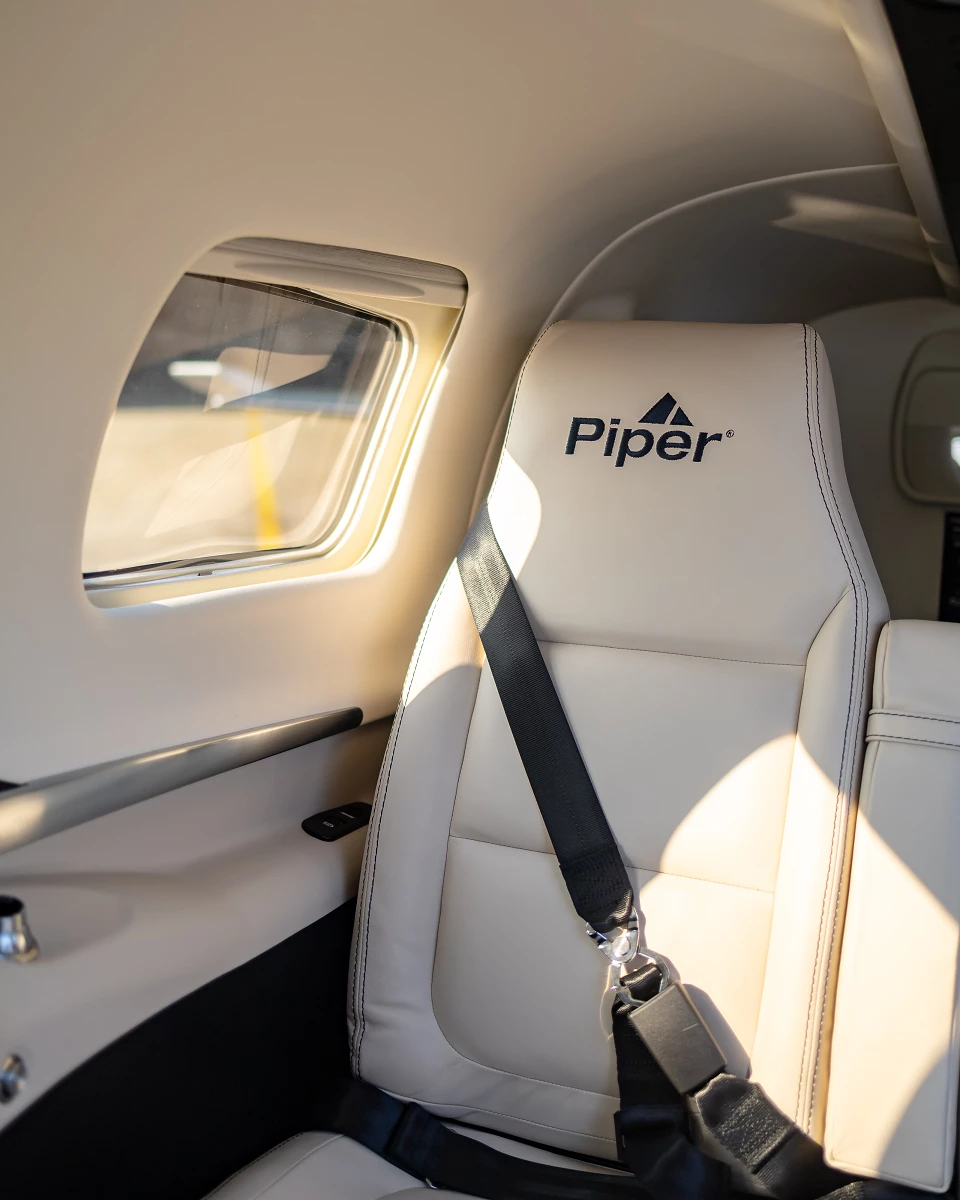
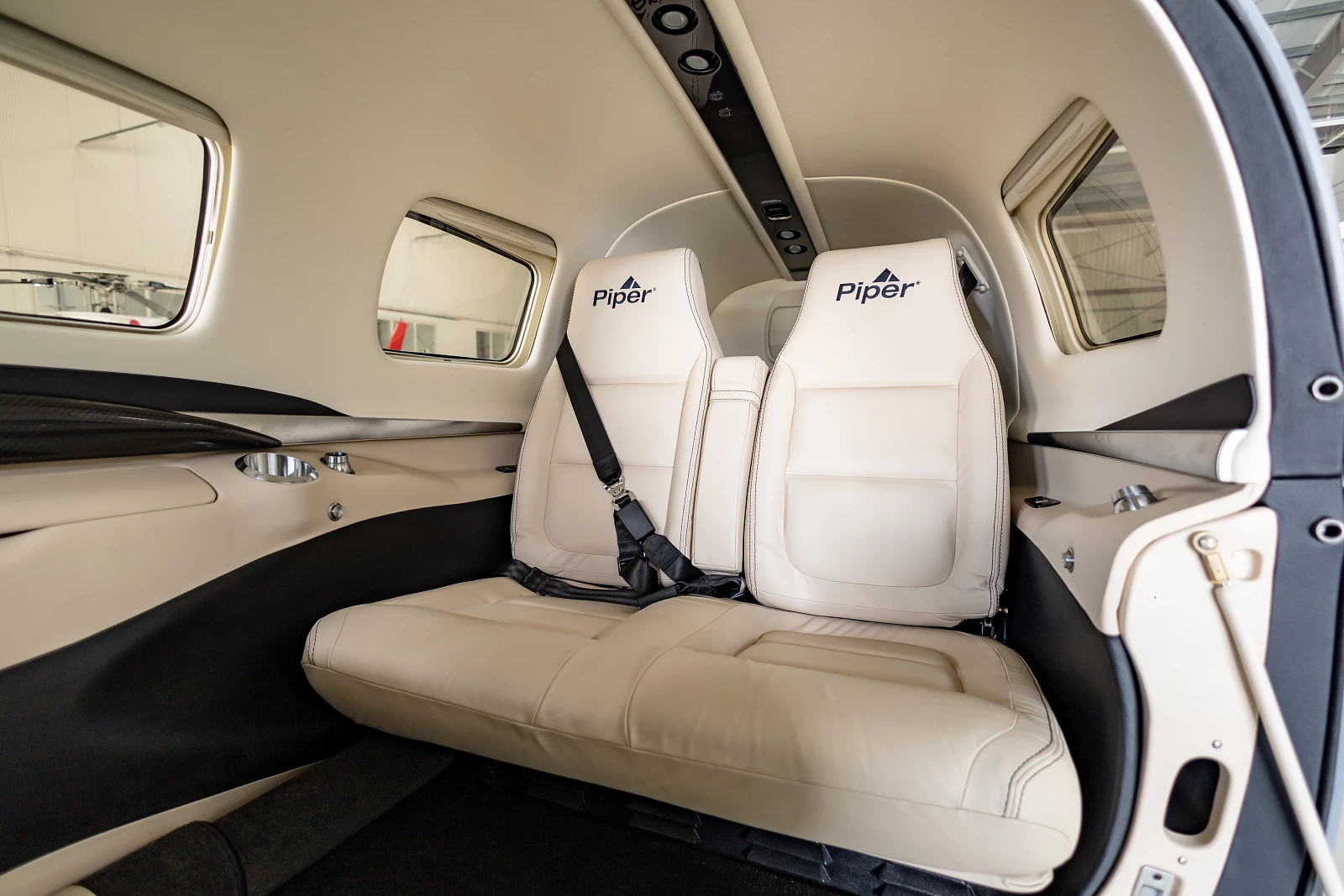
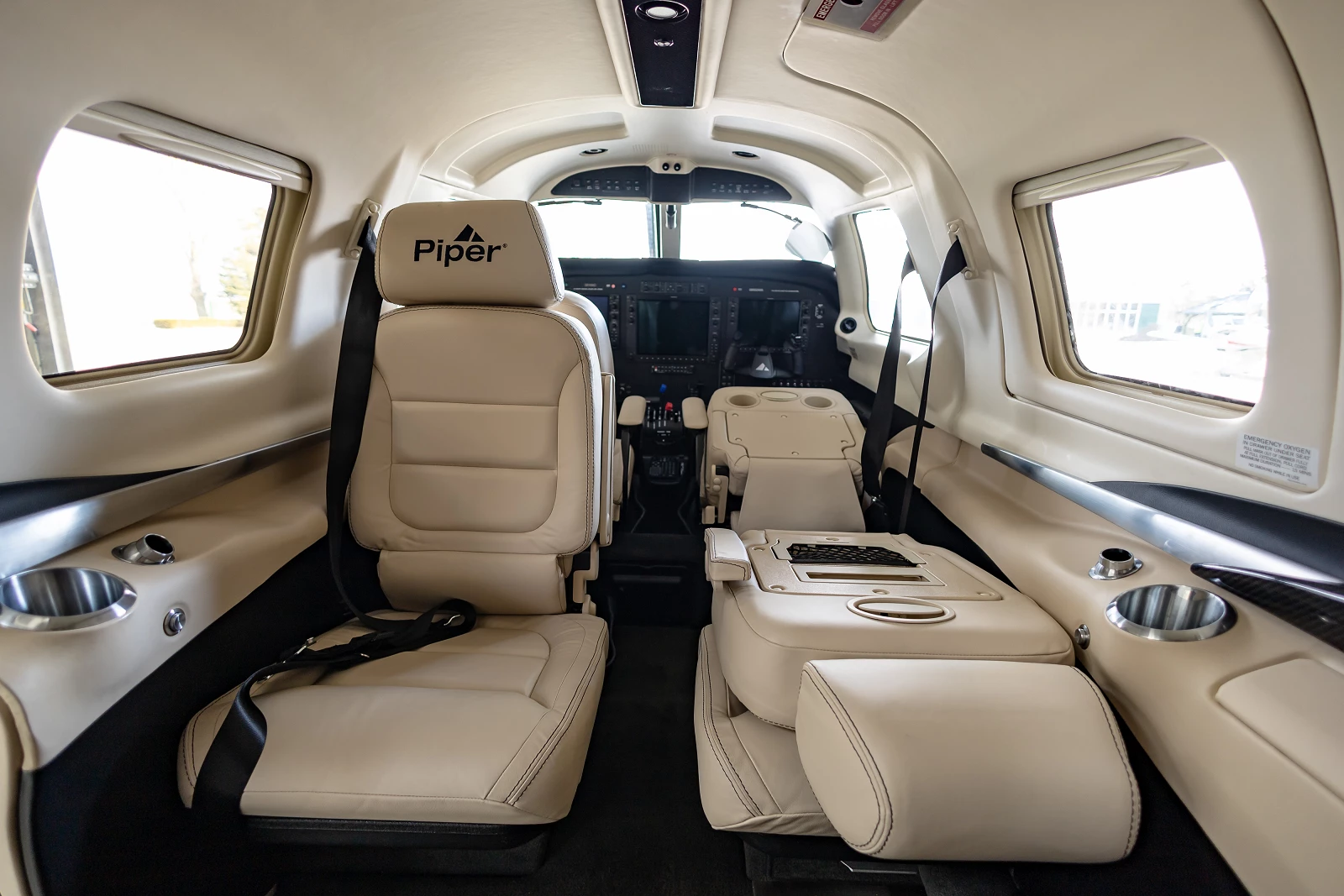
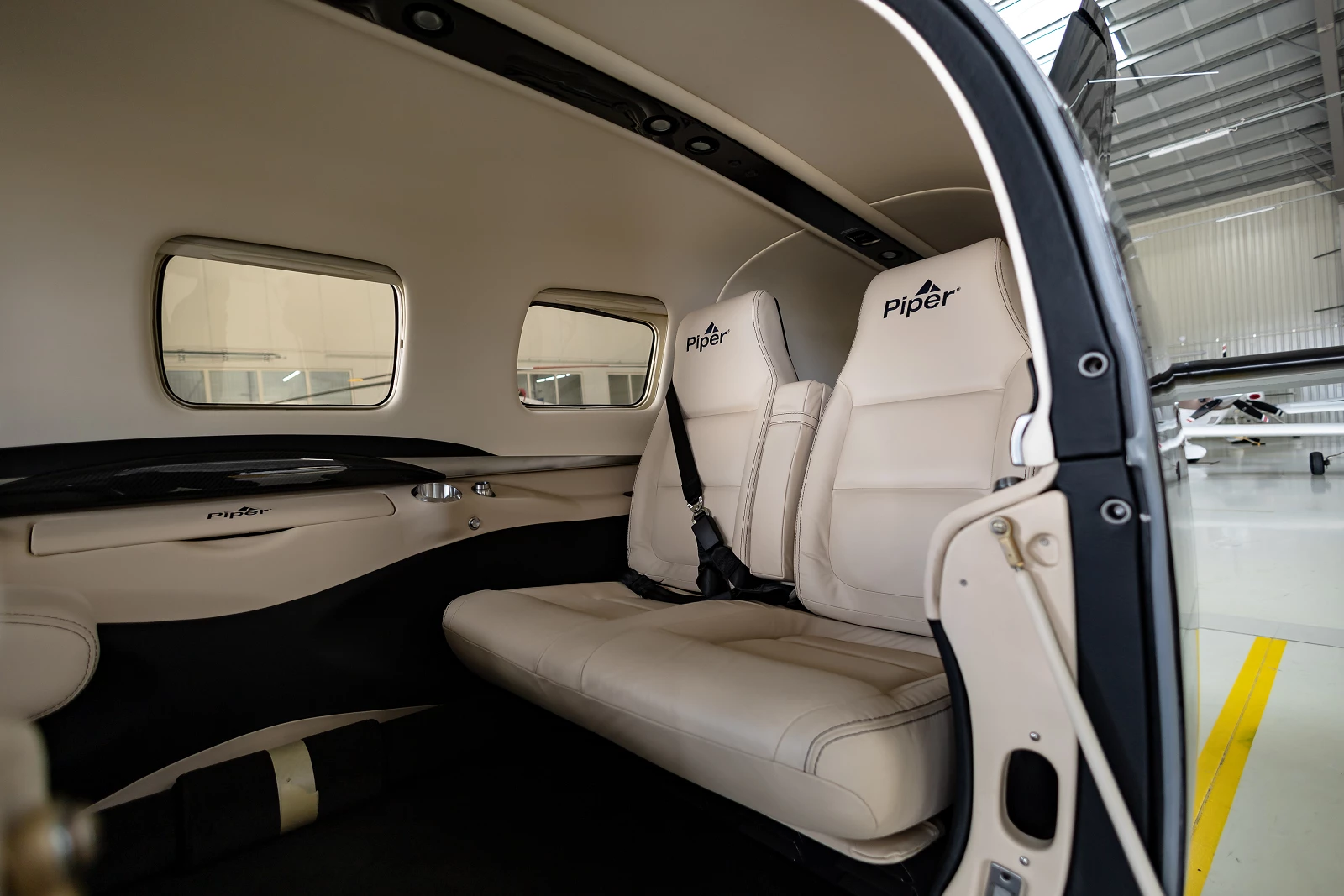
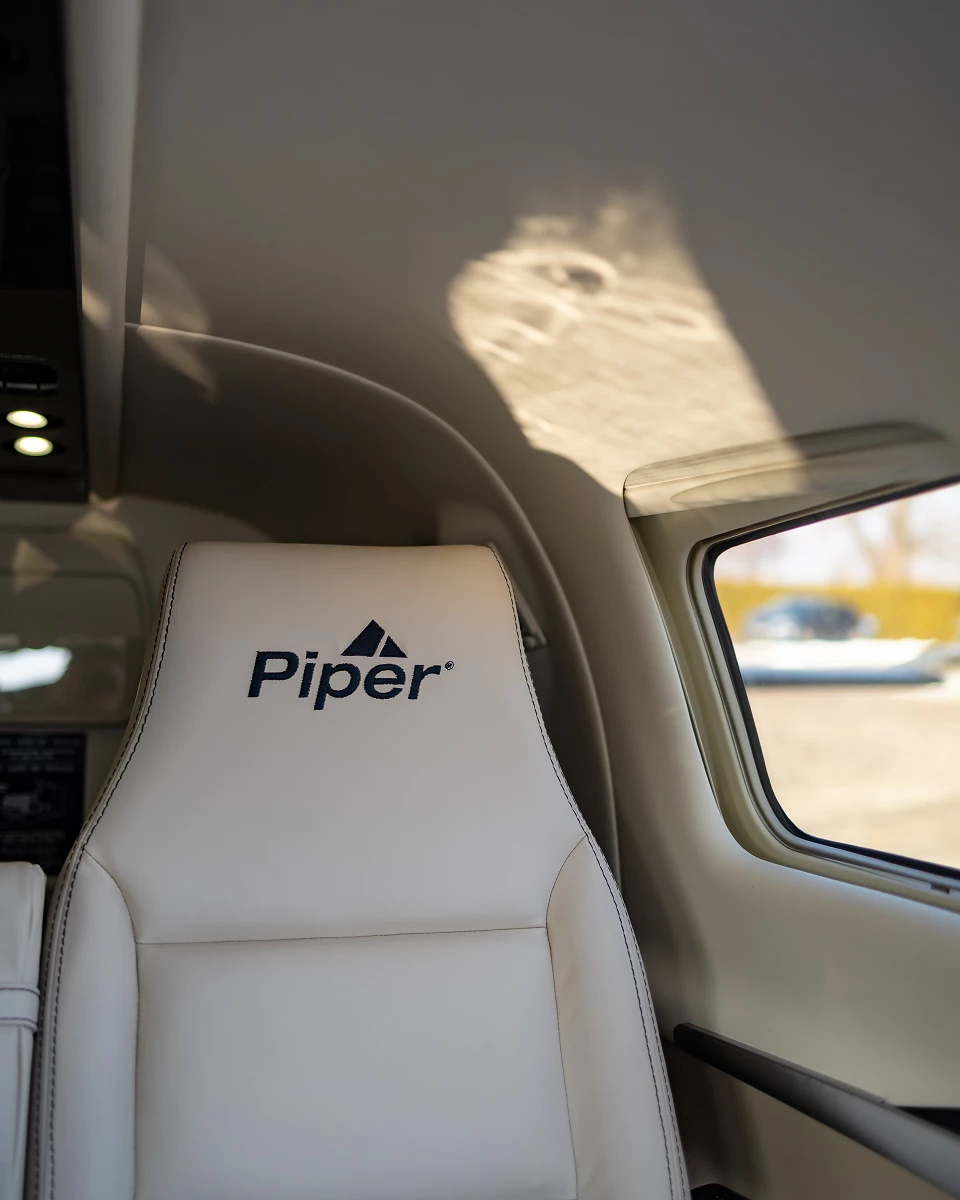
Access to the cabin is provided by a main two-part door, located on the left side of the fuselage. One part rises, the other descends to form steps. Their failure to close (as well as the trunk lid) is signaled in the cockpit. On the opposite side is the emergency exit
![63c7be86ce7b4337b531298a_PA_M350_A2A_H_Ocean2.jpg [134.48 KB]](https://www.jbi.com.pl/storage/image/core_files/2024/11/12/290989e7cea722f51a87a0cd66e5e216/jpg/jbinvestments/preview/63c7be86ce7b4337b531298a_PA_M350_A2A_H_Ocean2.webp)
Fly without limits
Land at paved and grass airfields at any time of day or night. The efficiency of a dispatch aircraft is high when, in addition to fast flight, its user has an aircraft close to home. This is what the Piper M350 provides.
![Avionics M350 good.png [726.02 KB].](https://www.jbi.com.pl/storage/image/core_files/2025/4/25/ab74f4016ea6ae4de93ee5754487cf18/png/jbinvestments/preview/Awionika%20M350%20dobre.webp)
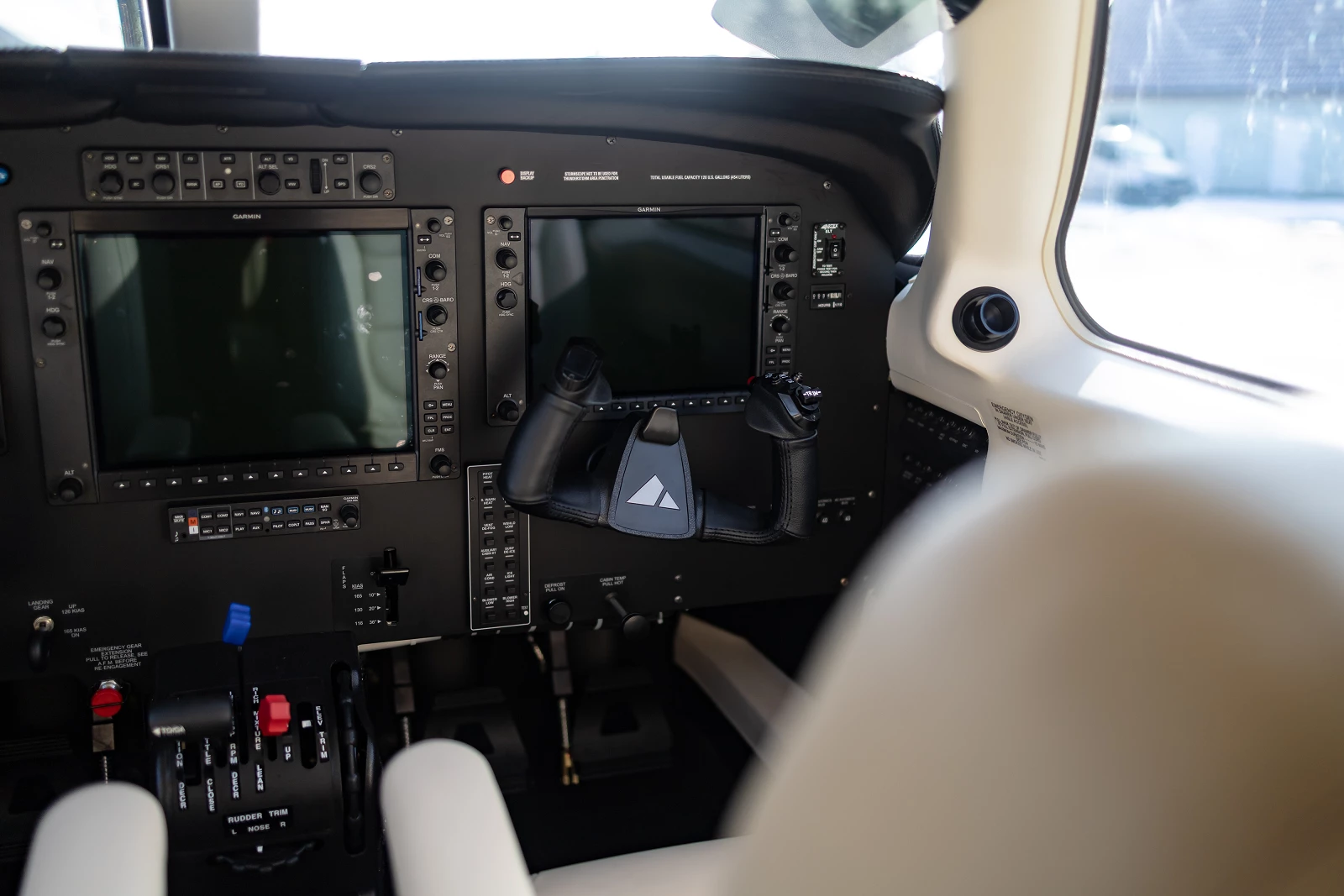
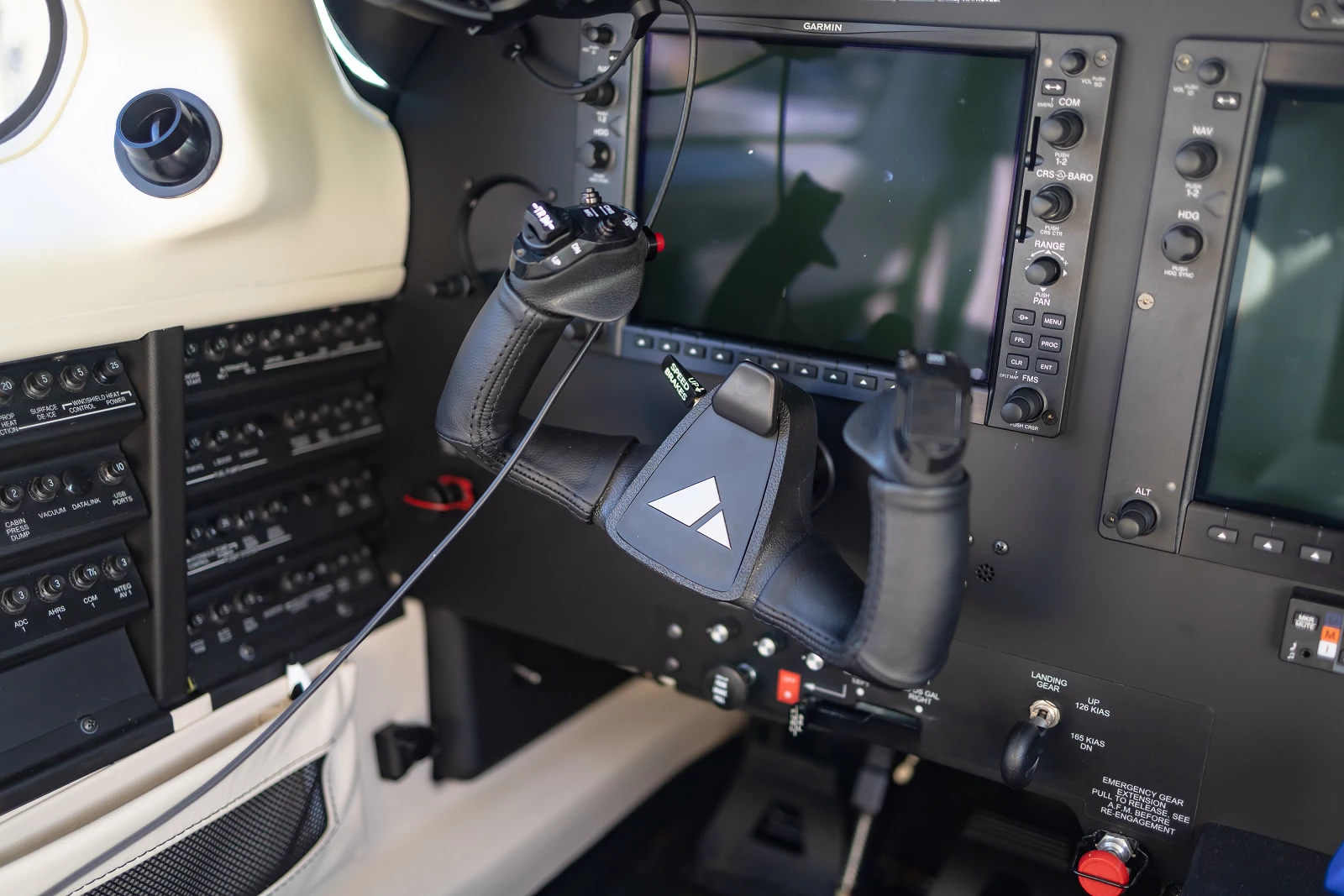
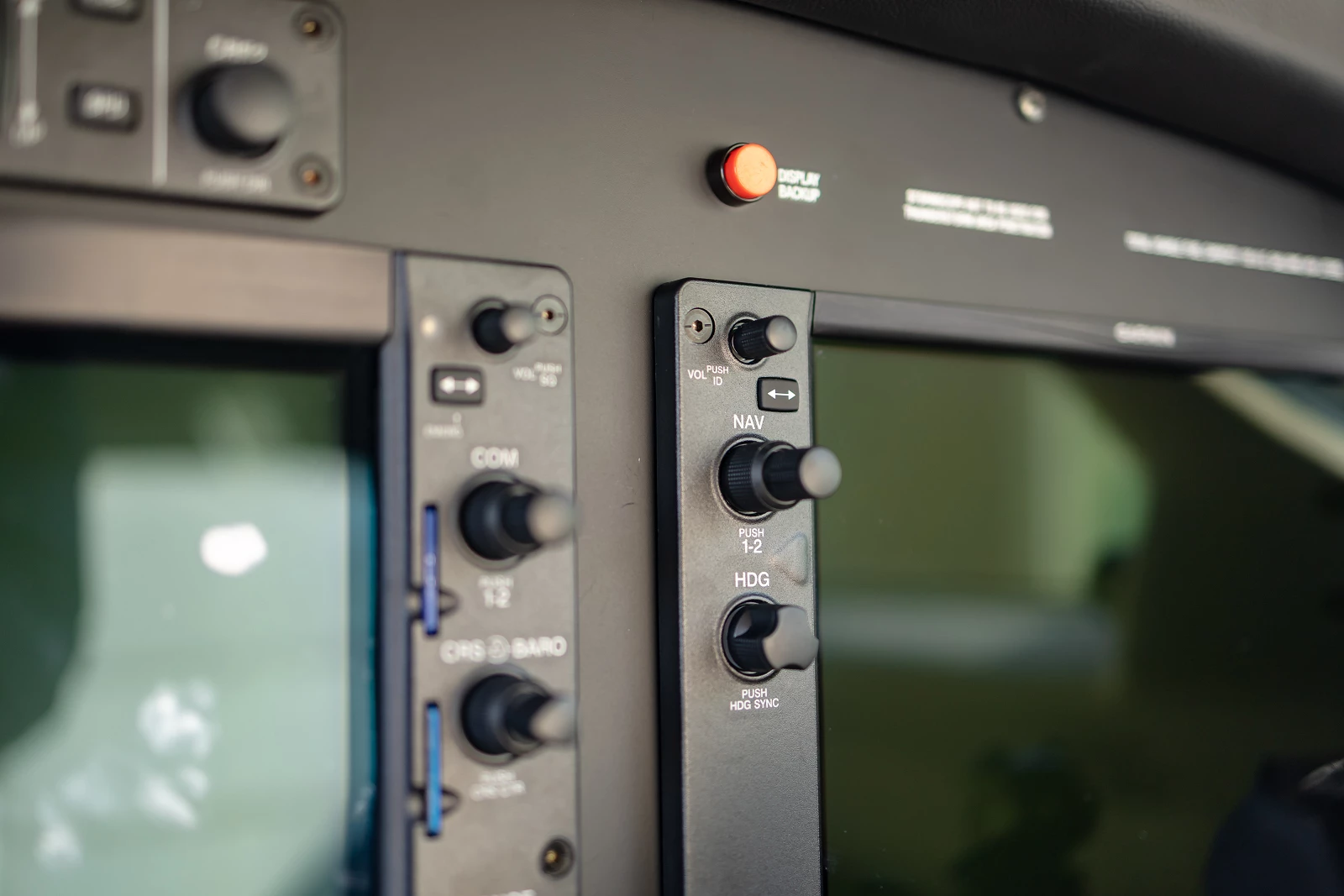
Garmin G1000NXi
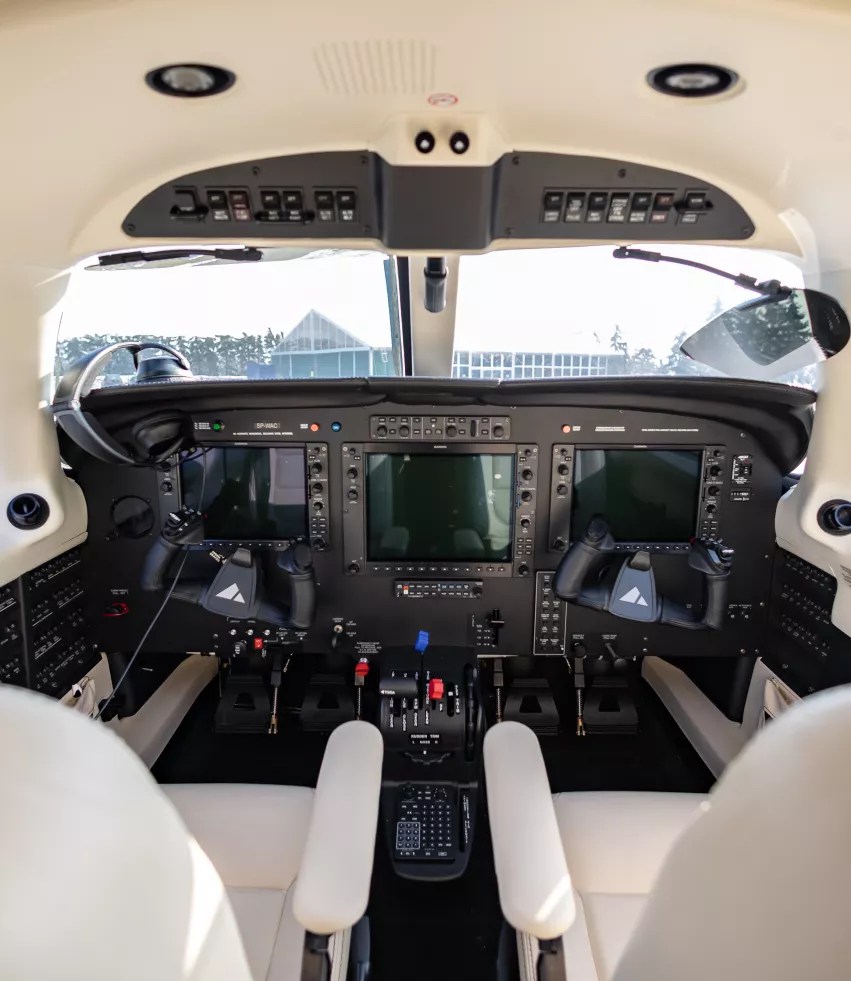
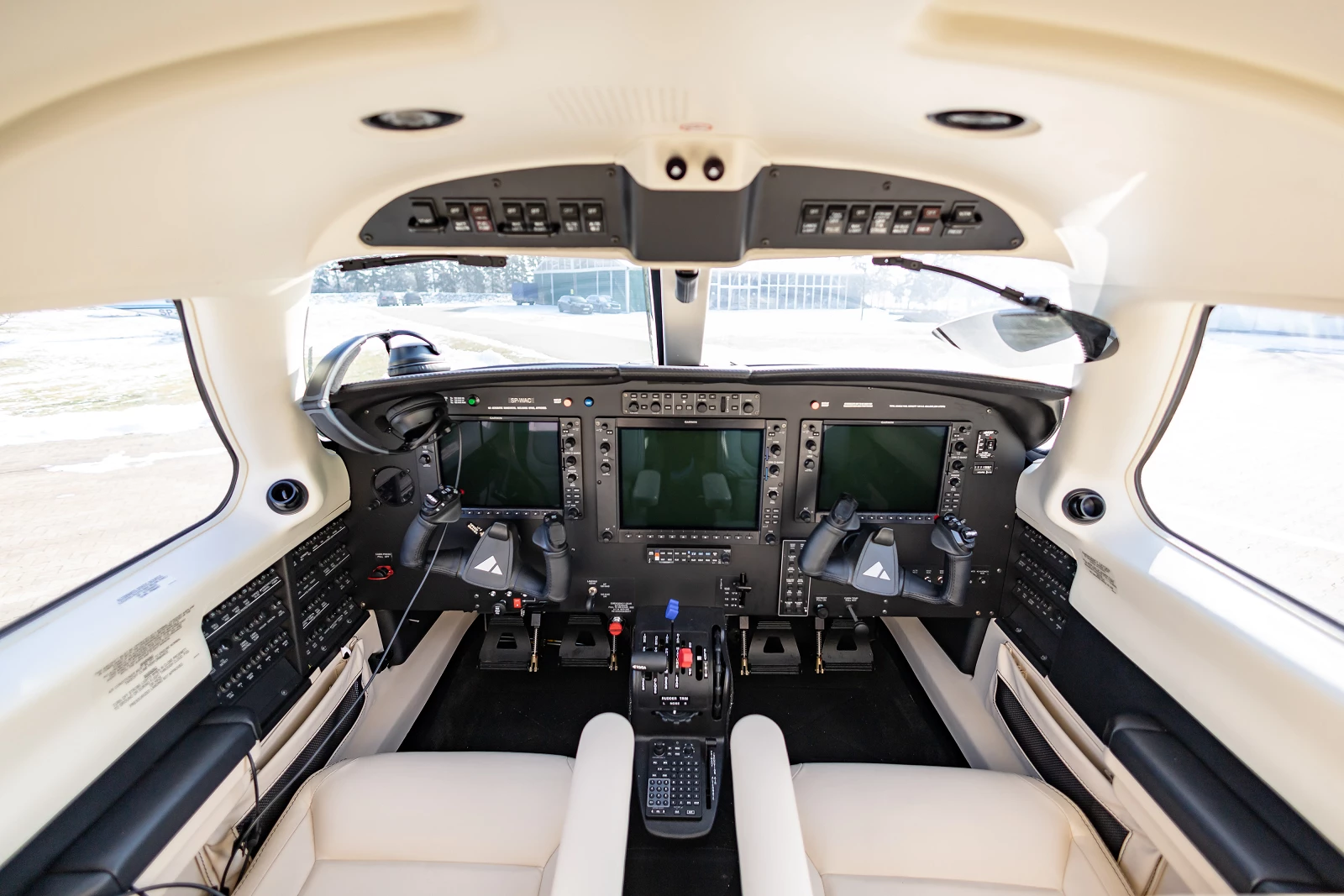
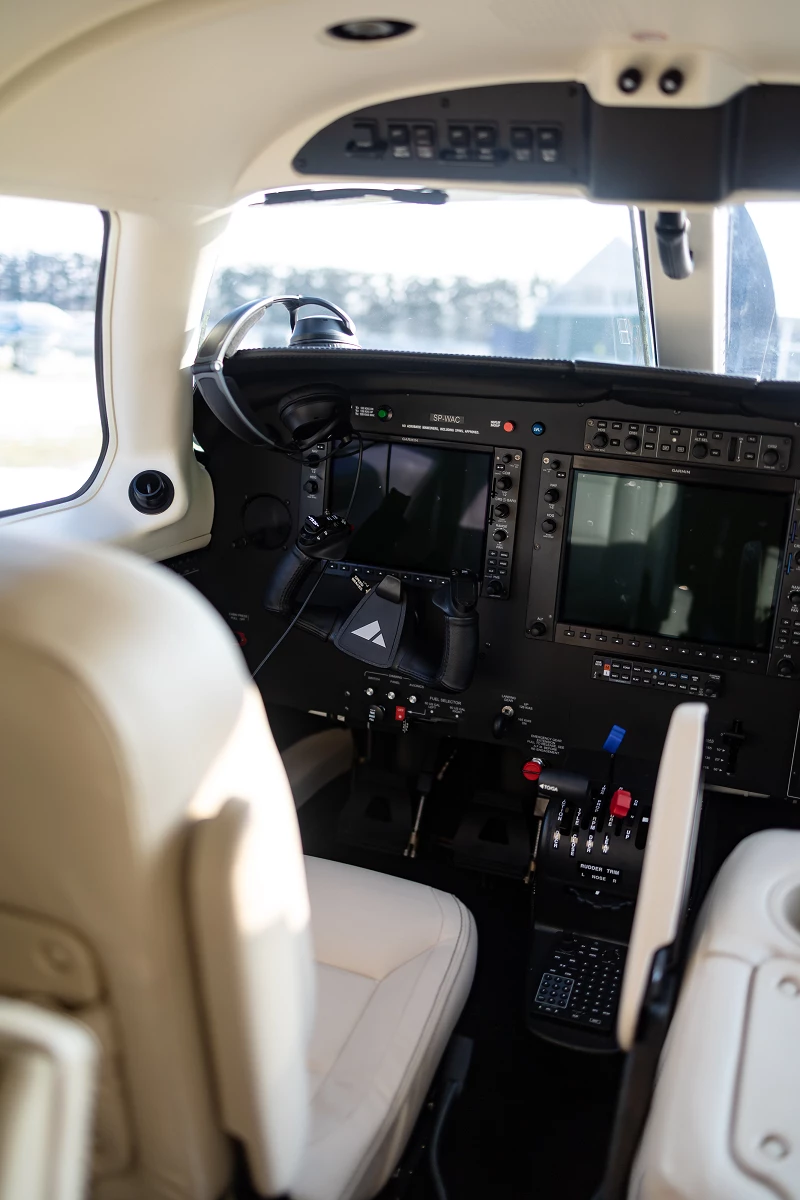
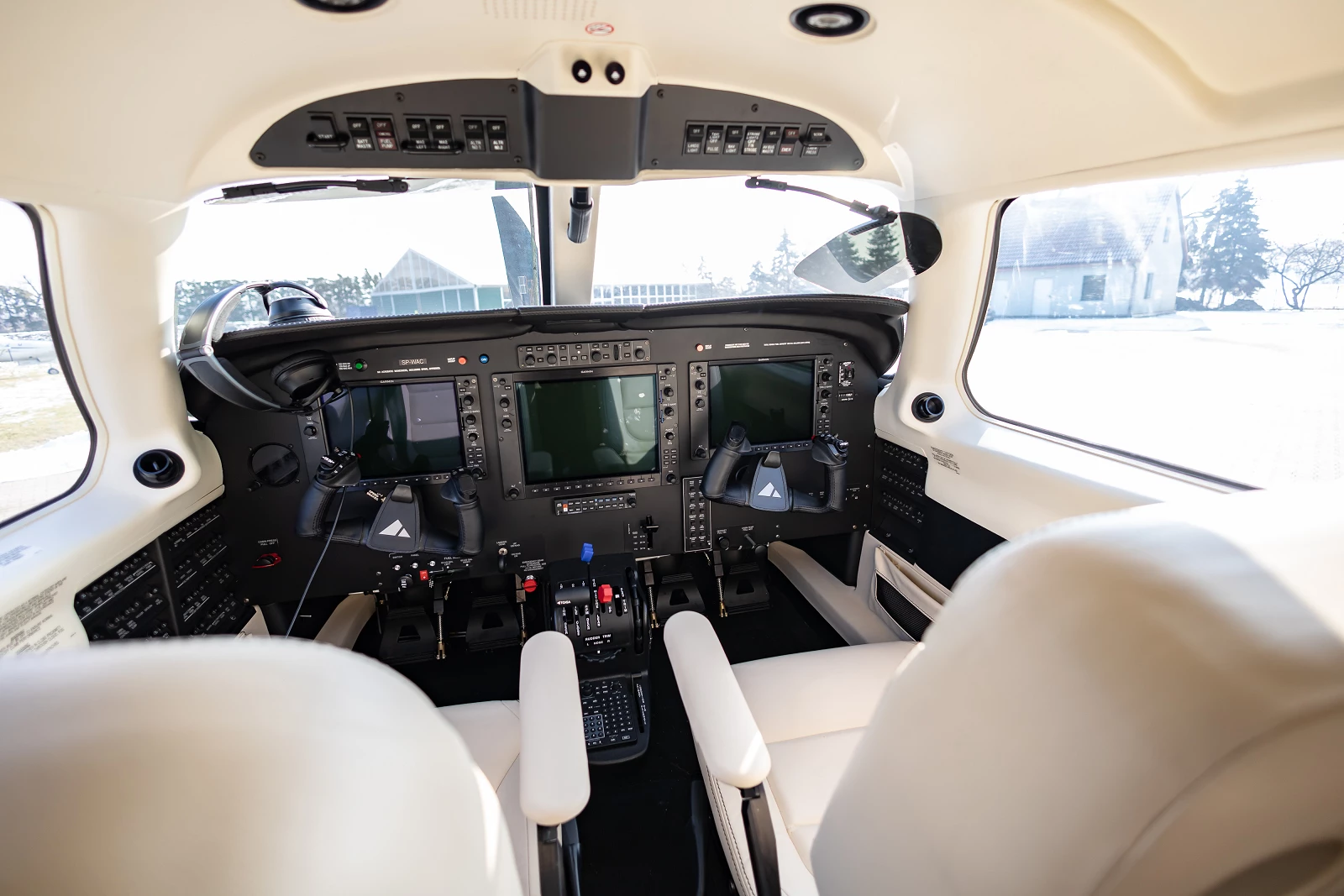
The Piper M350 features an integrated Garmin G1000NXi avionics system. The aircraft's equipment allows day and night VFR and IFR flights. In addition, it can be expanded with TAS, TAWS, Stormscope, weather radar and satellite phone systems.
From the Editor
The Piper M-Class Family
The history of the Piper M-Class begins with the PA-46-310P Malibu, the first of which were delivered to customers in November 1983, with full-scale production beginning in 1984. From the outset, the design was based on the concept of a single-engine piston aircraft with a pressurized cabin—a solution that had previously appeared only in the Mooney M22 Mustang (1965–1970) and the Cessna P210 Centurion (1978–1986). In 1989, Piper introduced the Malibu Mirage variant, powered by a 350 KM Lycoming TIO-540-AE2A engine, which, after several iterations, evolved into today’s Piper M350. The rebranding to its current name took place in 2014.
The Piper M350 is currently the only single-engine, pressurized piston aircraft in the world produced in series. It serves as the entry-level model in the M-Class family—more affordable than the turbine-powered M500 or M700 Fury, yet sharing the same design philosophy of a six-seat cabin and high-altitude flight in the comfort of a pressurized cabin.
What are the benefits of a pressurized cabin in a single-engine piston aircraft?
In the class of premium piston-engine aircraft, a pressurized cabin remains the exception. Other aircraft models reach a similar cruising altitude of around 25,000 feet, but they do not have a pressurized cabin. In practice, this means that in all of these aircraft, flying above 12,500 feet requires the continuous use of an oxygen cannula, and above 18,000 feet, an oxygen mask is required for the entire crew.
The Piper M350, with its pressurized cabin, maintains a cabin altitude of approximately 8,000 feet while flying at a ceiling of 25,000 feet. The pilot and passengers breathe normally, without cannulas or masks, regardless of the external altitude. A small passenger aircraft such as the Piper M350 thus gains a level of operational availability unattainable in non-pressurized aircraft—long flights at high altitudes are a much more comfortable operational option and do not negatively affect the human body. Additionally, pressure changes during climb or descent are much less noticeable.
A Piper M350 Piloted by a Private Pilot
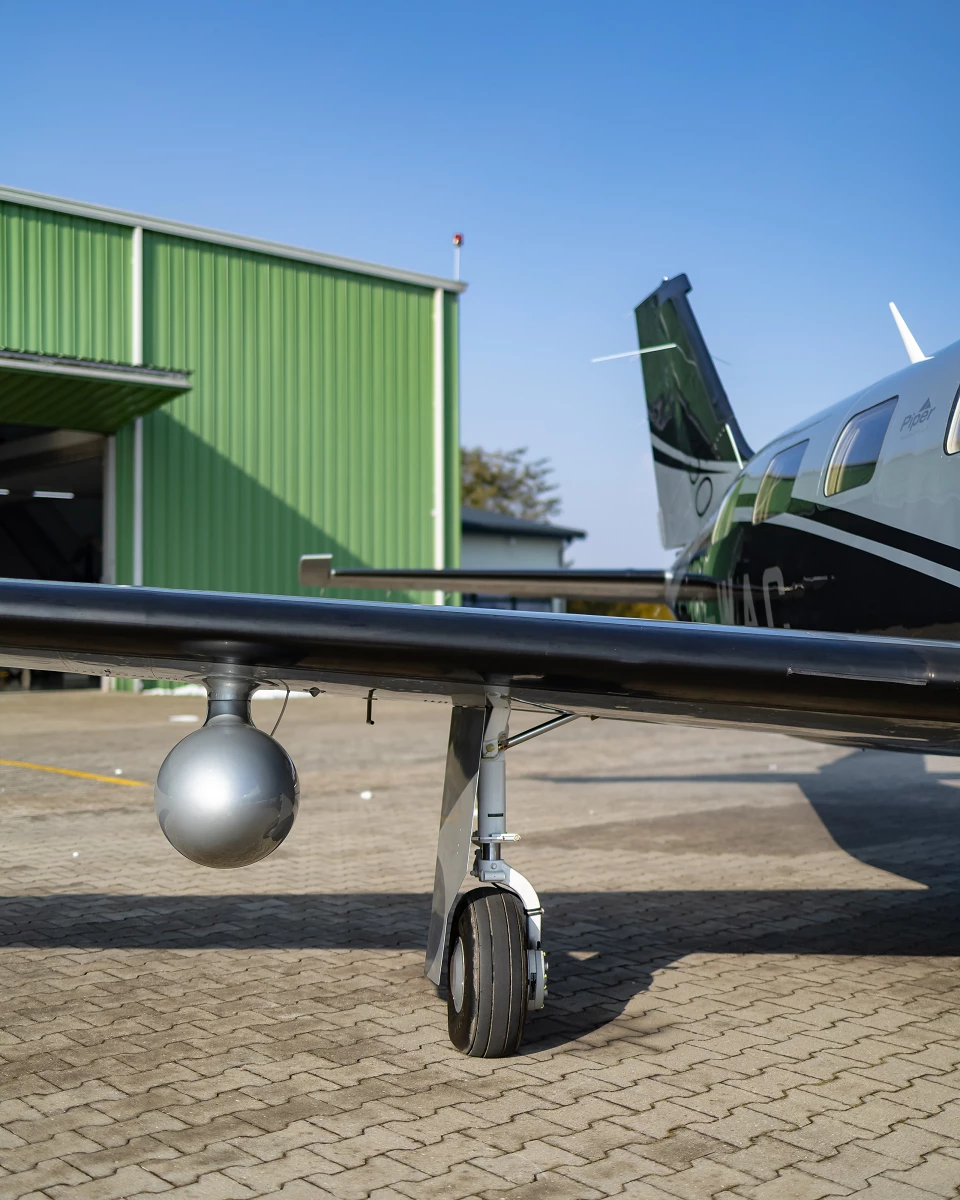
Under Polish weather conditions, the advantages of a pressurized cabin are particularly evident during the fall and winter months. Atmospheric fronts moving across Central Europe generate cloud and precipitation systems extending to altitudes of 8,000–12,000 feet, and sometimes higher. Under such conditions, a piston-engine aircraft without a pressurized cabin flies either within the cloud layer or below it, subject to turbulence, icing, and limited visibility. The Piper M350 climbs above the frontal cloud zone into an area of stable air, where flight conditions approach those encountered in commercial aviation. It also features an advanced de-icing system and FIKI (Flight Into Known Icing) certification, which allows for a smooth flight through frontal zones while climbing to cruising altitude.
In practical terms, this translates to a greater number of operational days per year. A luxury aircraft of this class gives the pilot-owner a means of flying that is far less dependent on the weather. Winter flights to Scandinavia or over the Alps to northern Italy are no longer a seasonal extravagance but become a regular part of the annual schedule. A private pressurized aircraft maintains availability comparable to that of more expensive turboprop aircraft, while keeping operating costs typical of the piston-engine segment. The Piper M350 thus combines, in a single design, the economy of a single-engine piston aircraft with the operational capabilities of a luxury premium-class aircraft—a combination currently offered by no other private piston aircraft in production.
Przydatne artykuły
How to choose the first aircraft for your company?
The decision to add an aircraft to a company’s assets is a strategic move that significantly enhances business mobility. Owning a fleet is not only a matter of prestige but also a tool for optimizing management’s time. On the other hand, however, choosing the wrong aircraft can lead to unjustified operating costs. So how can you make the right decision and purchase a private jet that’s right for your company...
Full article: How to Choose Your Company’s First Aircraft?
Expert section
Details
Dimensions
- length: 8.8 m (28.9 ft)
- wingspan: 13.11 m (43 ft)
- Height: 3.4 m (11.31 ft)
Weights
- maximum takeoff weight: 4340 lb (1969 kg)
- payload: 1308 lb (593 kg)
- empty aircraft weight (standard equipment): 3050 lb (1383 kg)
- fuel volume and weight: 454 l (120 gal) 354 kg (780 lb)
Performance
- cruising speed: 213 kts (395 km/h)
- maximum range: 1343 nm (2487 km)
- ceiling: 25,000 ft (7620 m)
- run-up (MTOW, sea level, standard atmosphere): 1100 ft (335 m)
- 15m obstacle launch: 2700 ft (823 m)
- run: 950 ft (290 m)
- Landing from an obstacle 15 m: 1968 ft (600 m)
- fuel consumption: 70 kg/h
- cabin type: Pressurized
Drive unit
- motor: Lycoming TIO-540-AE2A
- engine power: 350 HP
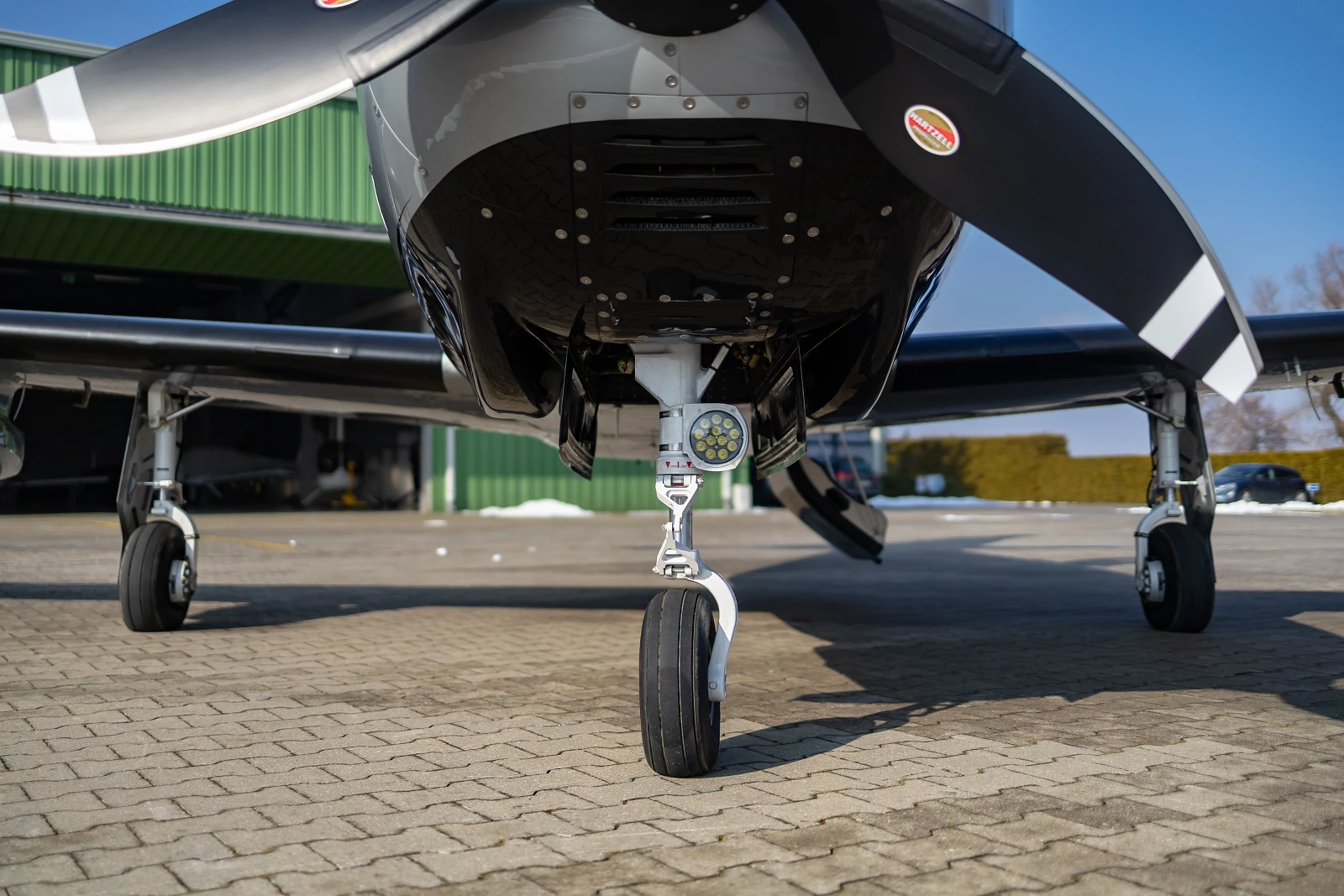
- propeller: Hartzell HC-I3YR-1E
- number of blades: 3
- propeller diameter: 2.032 m (80 in)
- fuel: AVGAS
Avionics
- avionics type: Garmin 1000Nxi
- autopilot: Garmin GFC700
- spare instruments: Garmin GI-275
Operating parameters
- type of operations: VFR Day, VFR Night, IFR, FIKI
- crew: 1
- number of passenger seats: 5
Accessory equipment
- optional: Air conditioning, de-icing system, GARMIN ESP, TAS, TAWS, Stormscope, weather radar, Satcom, emergency oxygen system, airbrakes
Download
Wojciech Jeziorski
Account Executive

The Piper M350 is the aircraft with which you start truly disposable flying.