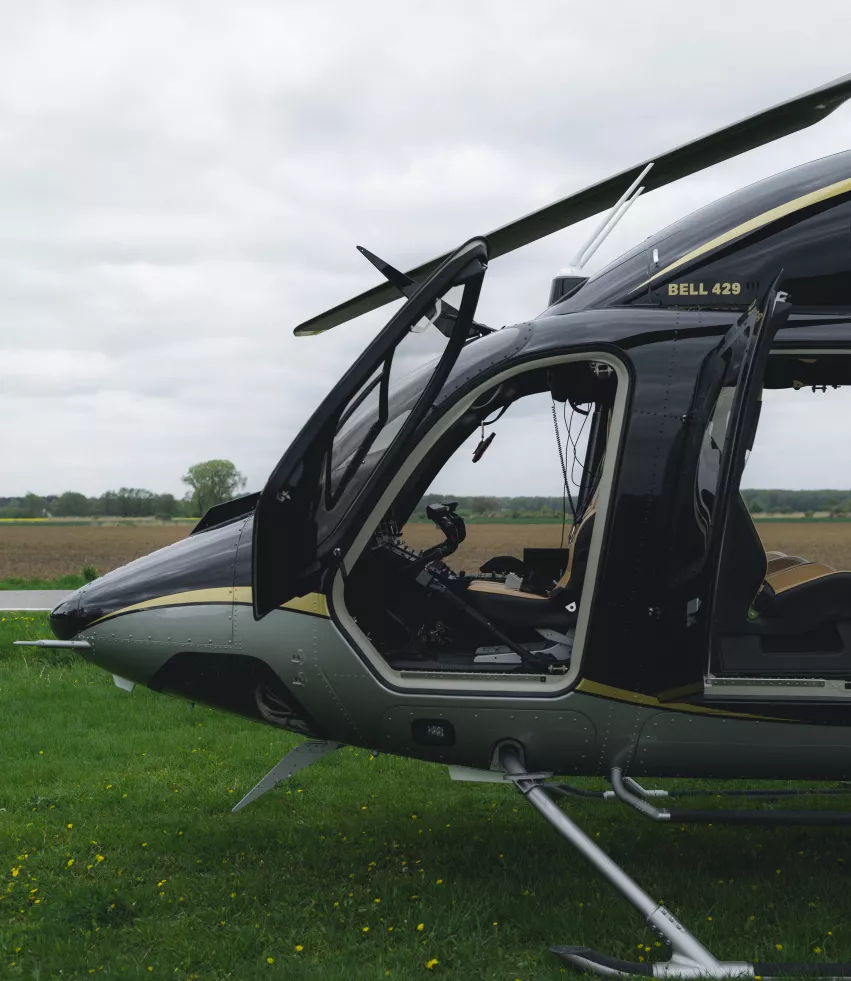
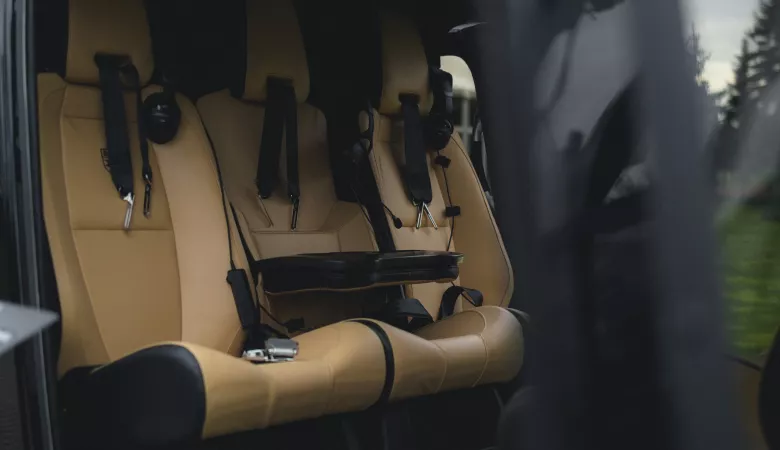
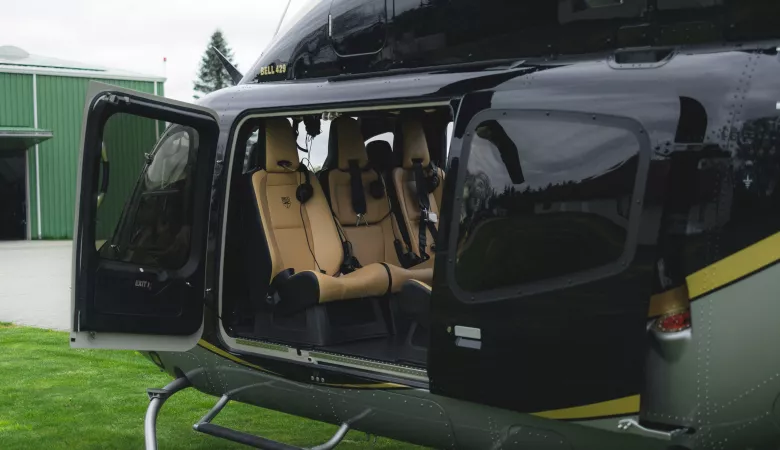
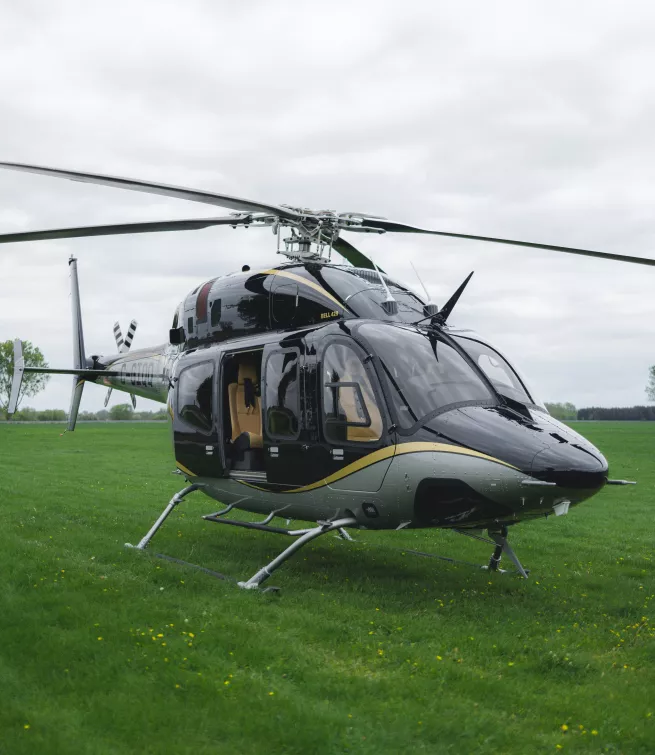
The Bell 429 is available in several factory-configured variants tailored to the primary mission profile: VIP/Corporate, HEMS (Helicopter Emergency Medical Services), Law Enforcement, and offshore and utility. The configuration is selected at the time of order. However, the cabin interior of the selected version remains modular—seats, seating arrangements, and equipment can be customized to the required profile in accordance with approved configurations.
The Bell 429 belongs to the light twin segment, which consists of twin-engine turbine helicopters with a maximum takeoff weight of up to 7,500 lb (3,402 kg). This is an intermediate class that combines the passenger capacity and Category A certification of a larger helicopter with reasonable operating costs more typical of a light aircraft. This explains why this model is found in the hangars of medical services, police departments, corporations, and private owners—despite their vastly different applications, each of these groups finds the Bell 429 to be the right fit for its specific operational profile.
Twin-engine turbine helicopter
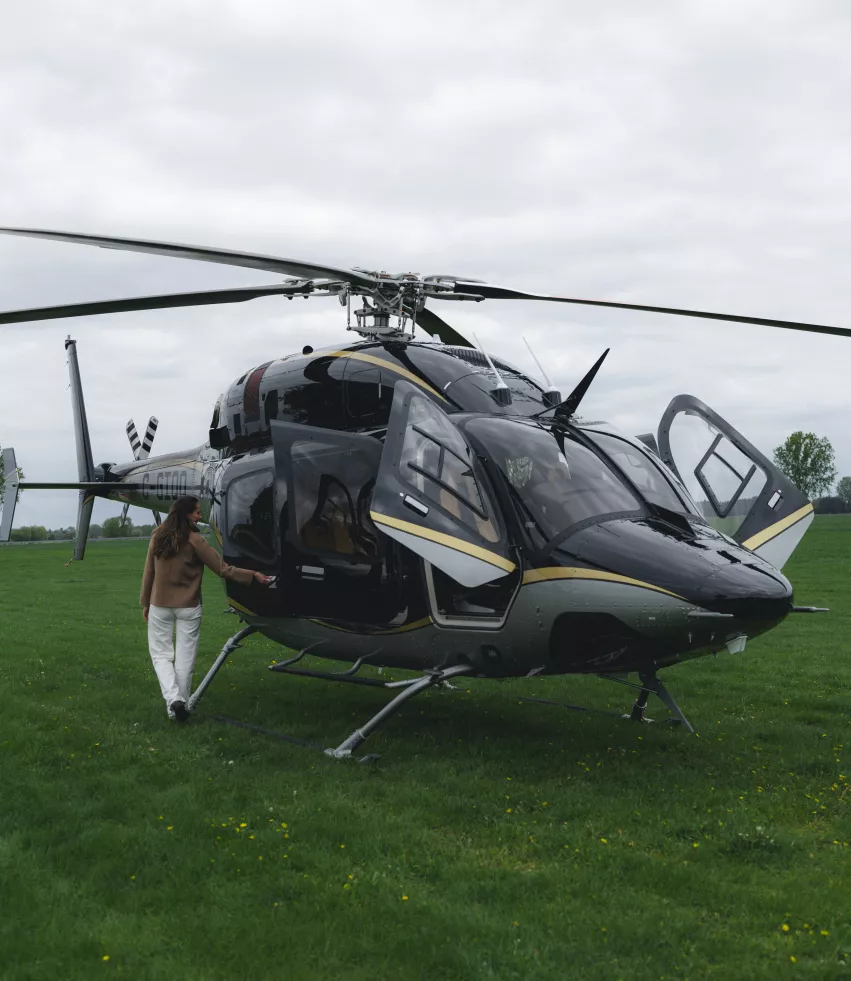
In the event of a single-engine failure, the Bell 429 is certified to complete takeoff or land safely using its remaining engine. This opens up landing sites that a single-engine helicopter cannot access: hospital rooftops, helipads on office buildings, and open spaces in densely built-up urban areas. At the same time, the design maintains hover performance that is useful during urban operations as well as in mountainous terrain or at elevated temperatures.
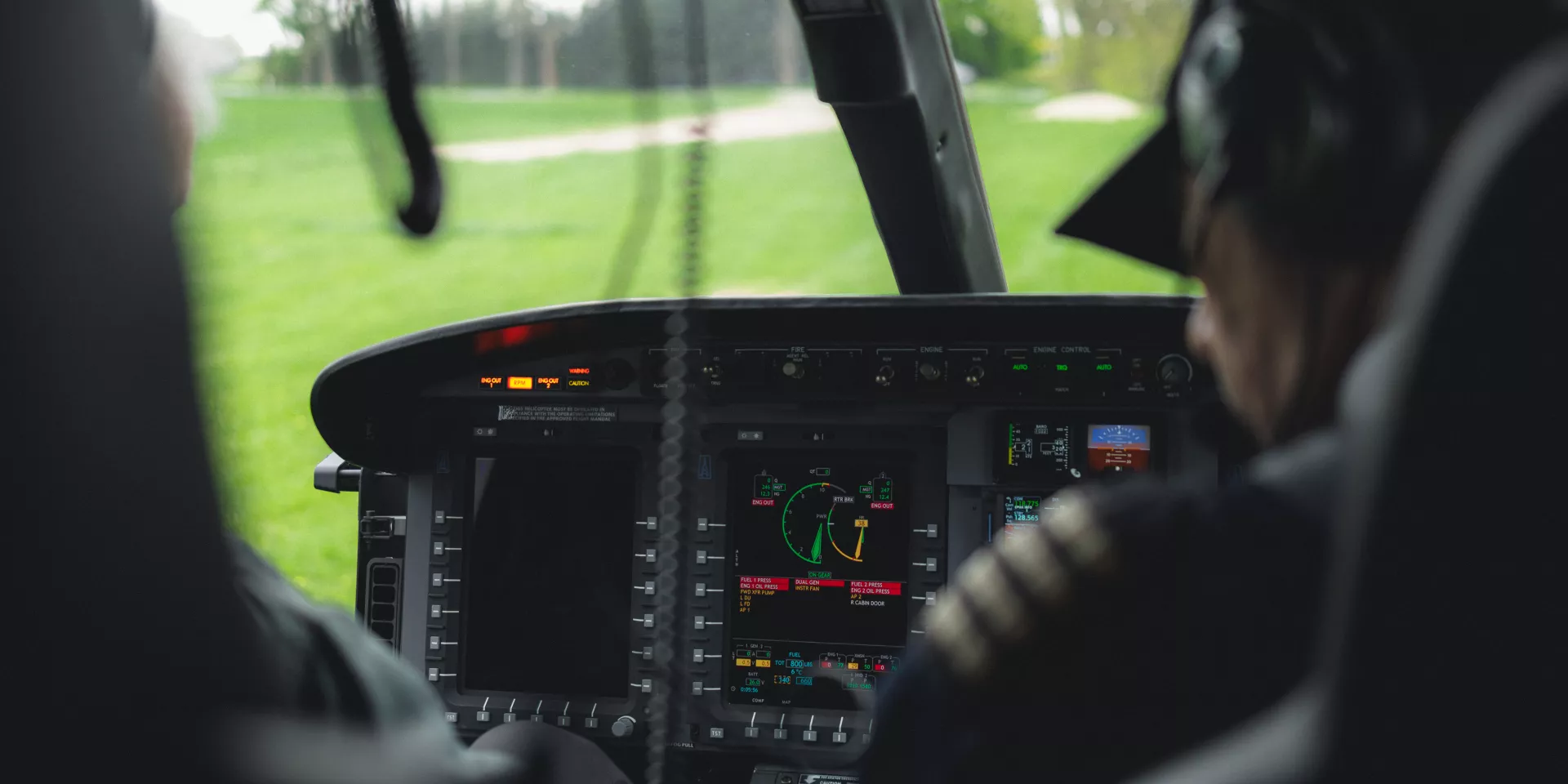
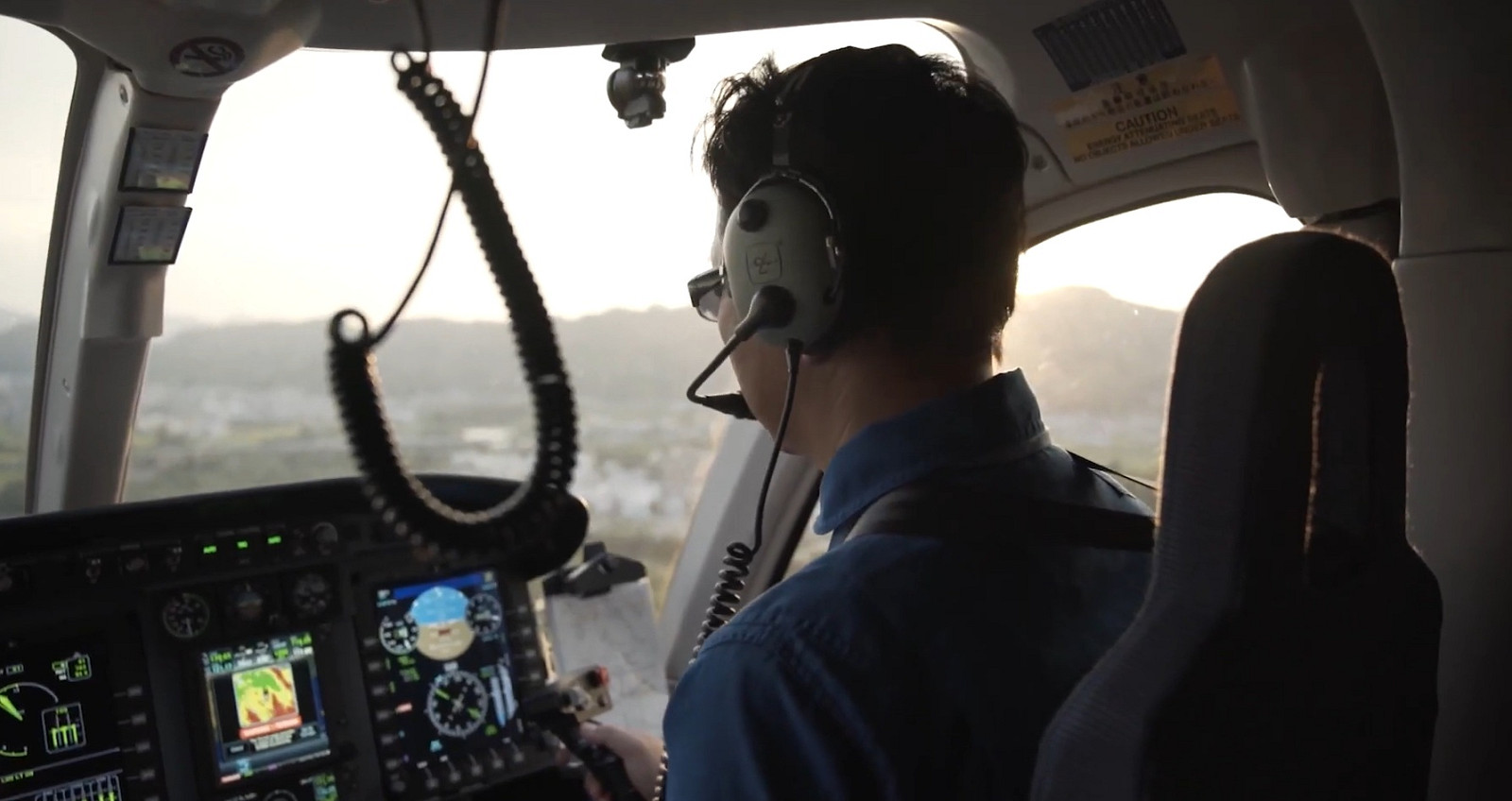
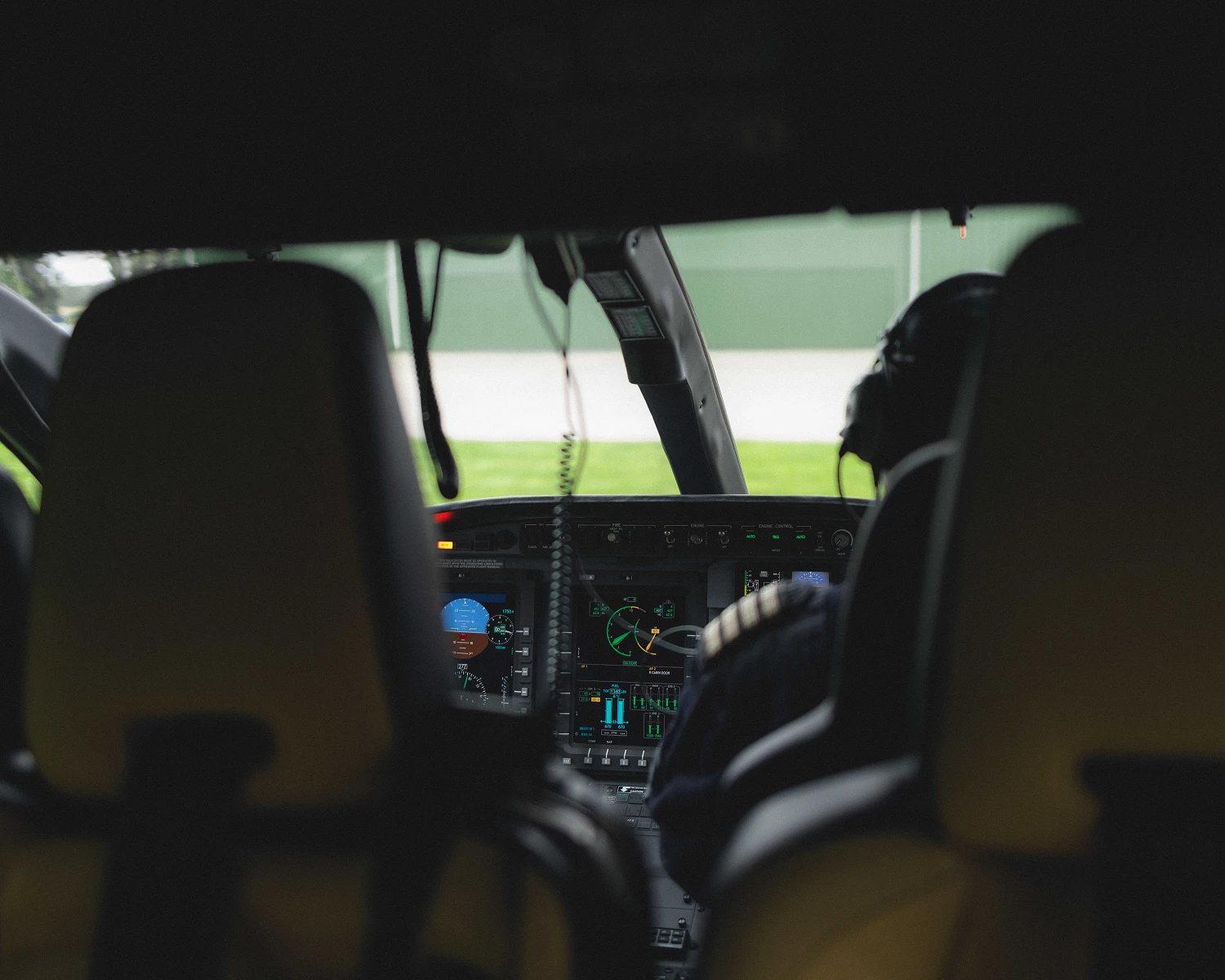
The Bell 429 helicopter is certified as standard for single-pilot IFR operations. For corporate clients, this translates to direct cost savings, as each flight can be conducted without the need for a two-person crew. For medical services, it means greater flexibility in scheduling shifts, shorter response times to calls, and easier coverage of night shifts. In low-visibility conditions, a turbine helicopter like the Bell 429 with Single Pilot IFR certification maintains operational readiness—even at night, in low visibility, and with a low cloud or rain base—that is, in weather typical of the Polish fall.
The Bell 429 in Everyday Use
A luxury helicopter, available on a weekly basis, transforms the logistics of board meetings and client trips. Landing directly at heliports near business hotels, on the rooftops of conference centers, or at private helipads eliminates intermediate steps: traveling to the airport, security checks, waiting at the gate, and ground transfers after landing. This also allows for flexible use of flight time as additional time for work or rest.
In the Polish context, this means access to locations not served by any other form of air transportation. Prestigious hotels and spa resorts with their own landing strips, private residences with helipads, or conference venues built with air travelers in mind—these are all ideal destinations for a luxury helicopter. It’s worth noting that it can also land easily in open terrain, which gives us even more options for flying as close as possible to the destination.
The Bell 429 helicopter combines in a single design characteristics rarely found together—the prestige of a luxury VIP helicopter, the reliability of a platform for law enforcement, and the precision of a rescue aircraft. This explains why this twin-engine turbine helicopter can be found both in the private hangars of European business executives and in the fleets of emergency services in major cities around the world.



![us.png [17.12 KB].](https://www.jbi.com.pl/storage/image/core_files/2024/12/30/9e673ad387e34dc81ece80a623d784c3/png/jbinvestments/preview/us.webp)

![IMG_8468.jpg [9.80 MB].](https://www.jbi.com.pl/storage/image/core_files/2024/10/29/b1bca51ca418b6718001320302d81078/jpg/jbinvestments/preview/IMG_8468.webp)
![IMG_8326.jpg [3.23 MB].](https://www.jbi.com.pl/storage/image/core_files/2024/10/29/44263cbba0f22746c73a508d3b726600/jpg/jbinvestments/preview/IMG_8326.webp)
![62c2dc2f6ff086e39cb7a0c0_Bell 429 demo flight in Shanghai China_July 202.jpg [396.05 KB].](https://www.jbi.com.pl/storage/image/core_files/2024/11/12/51f89d9af00e4303b5c8cd835c042f0c/jpg/jbinvestments/preview/62c2dc2f6ff086e39cb7a0c0_Bell%20429%20demo%20flight%20in%20Shanghai%20China_July%20202.webp)
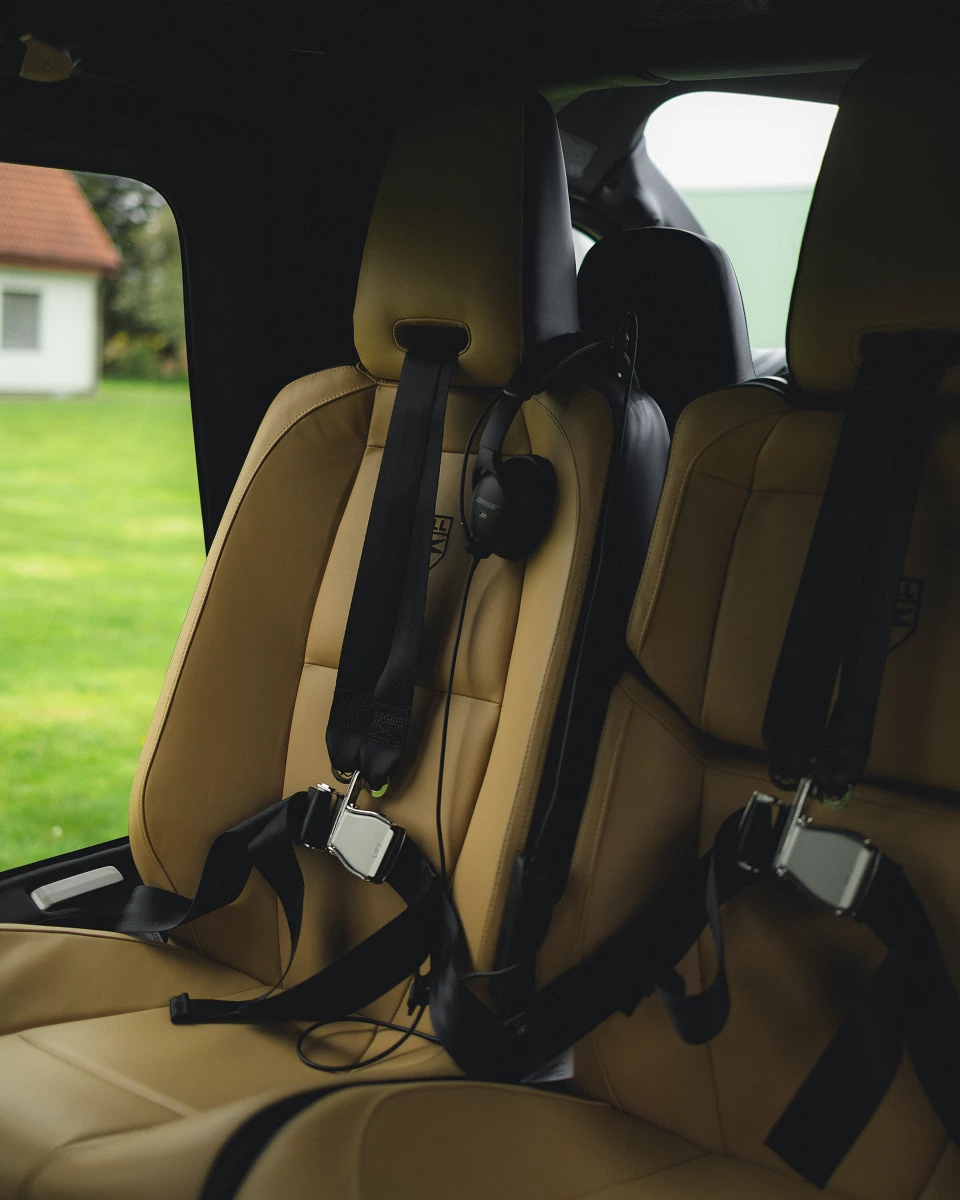
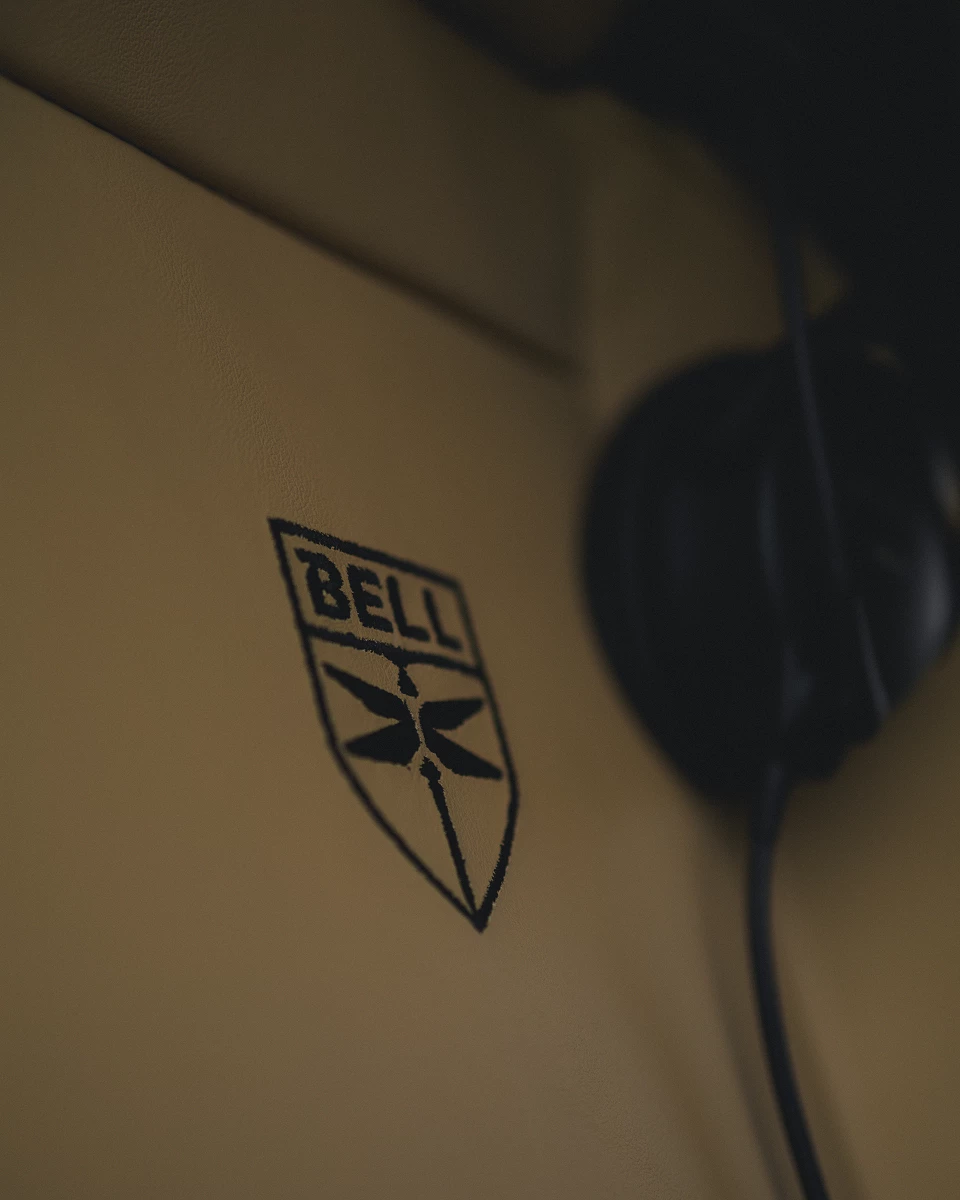
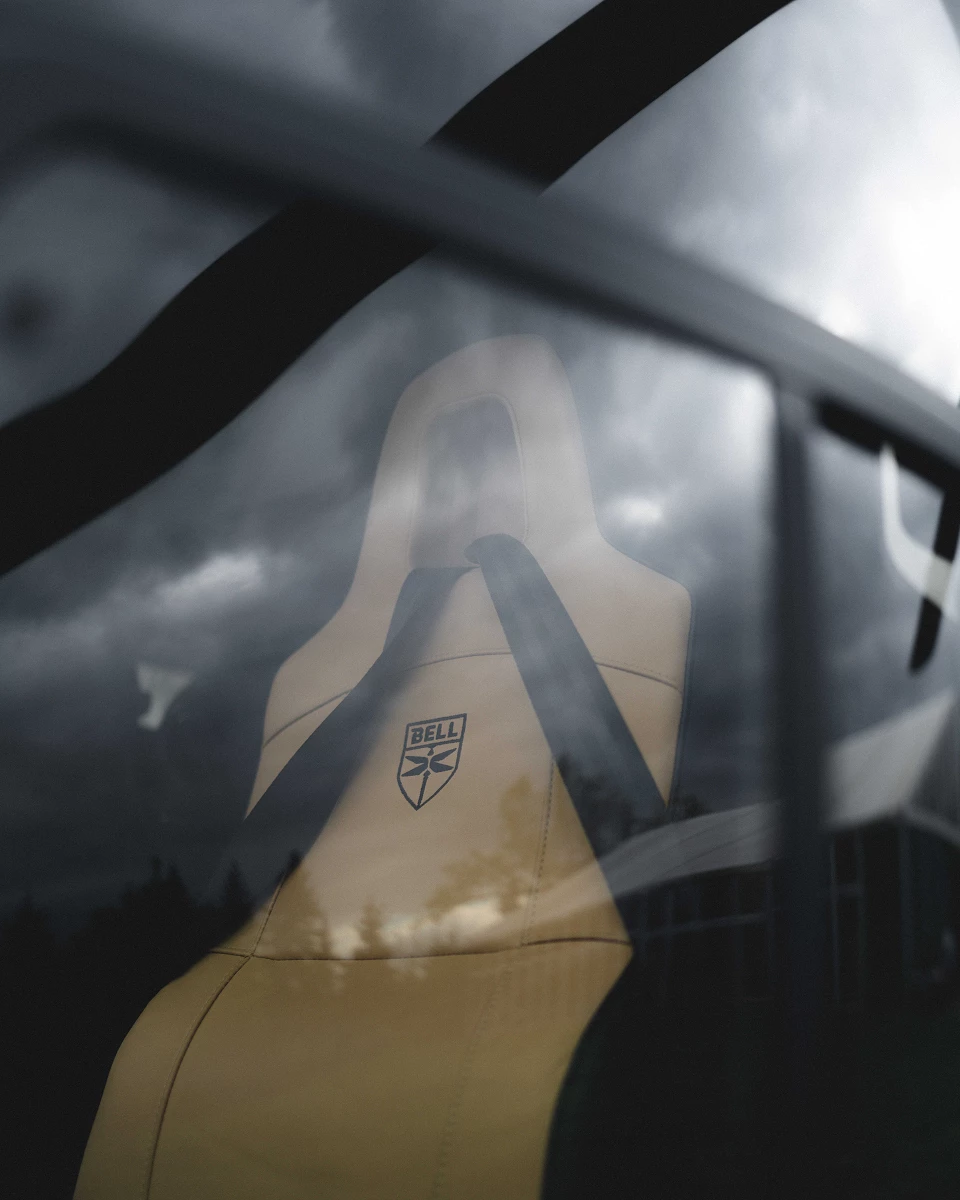
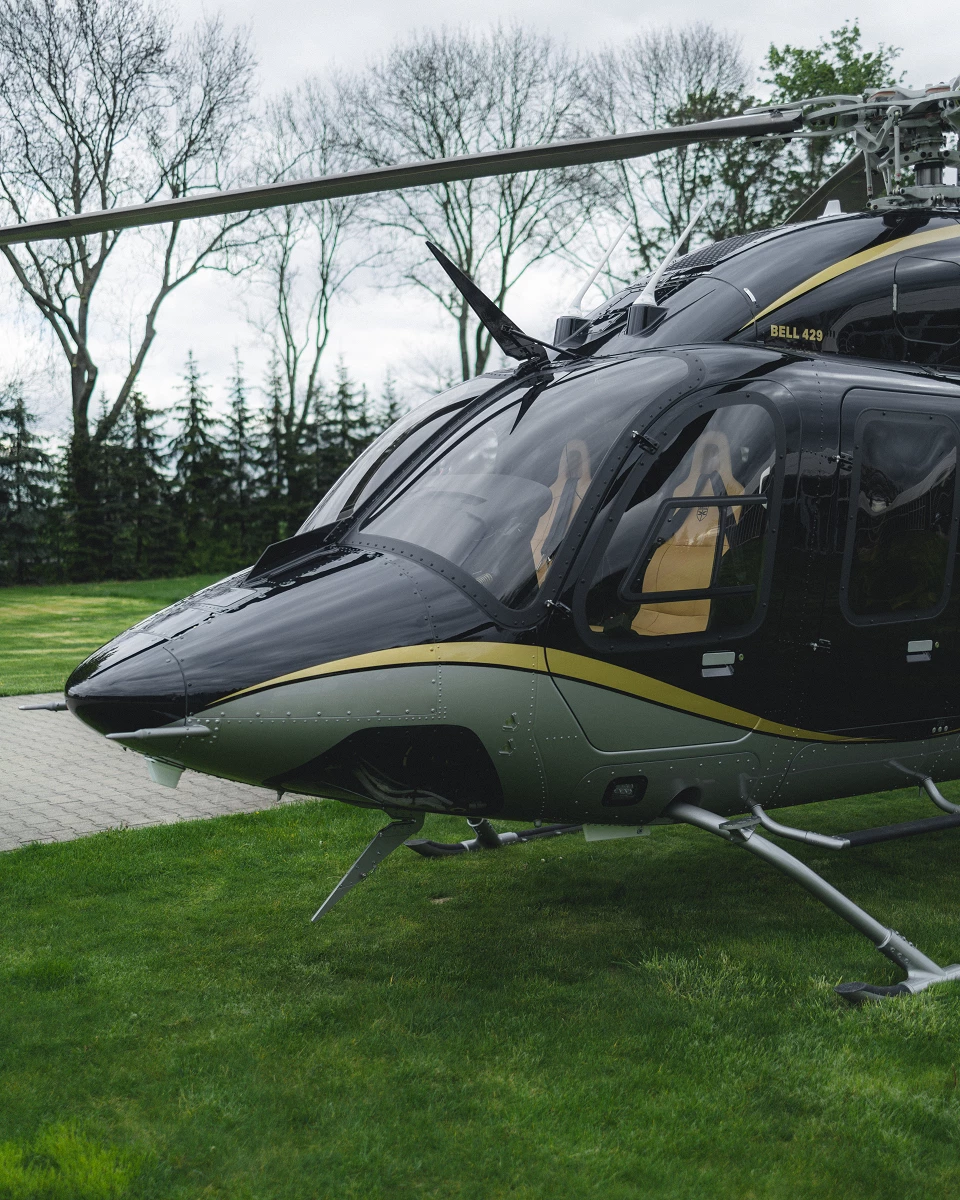
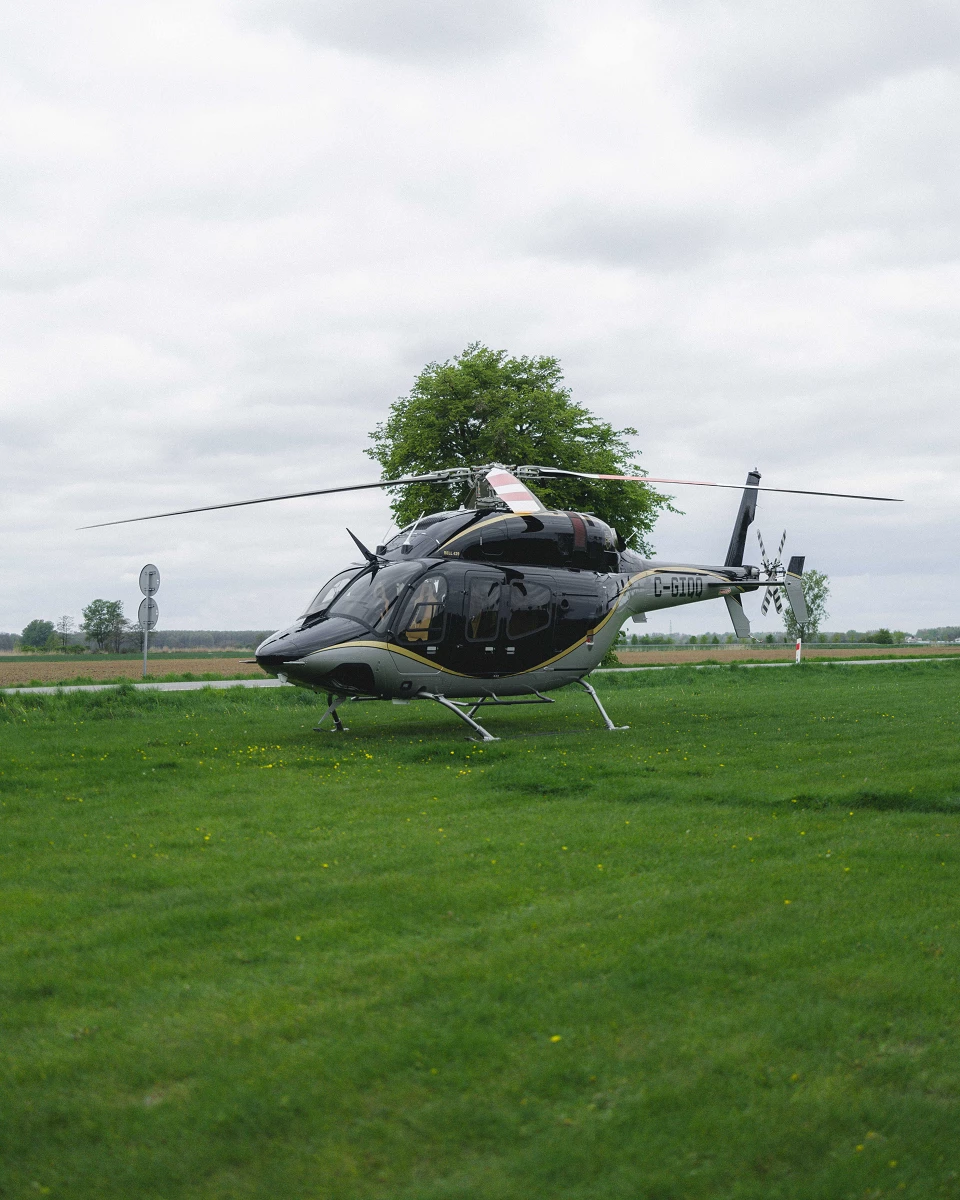
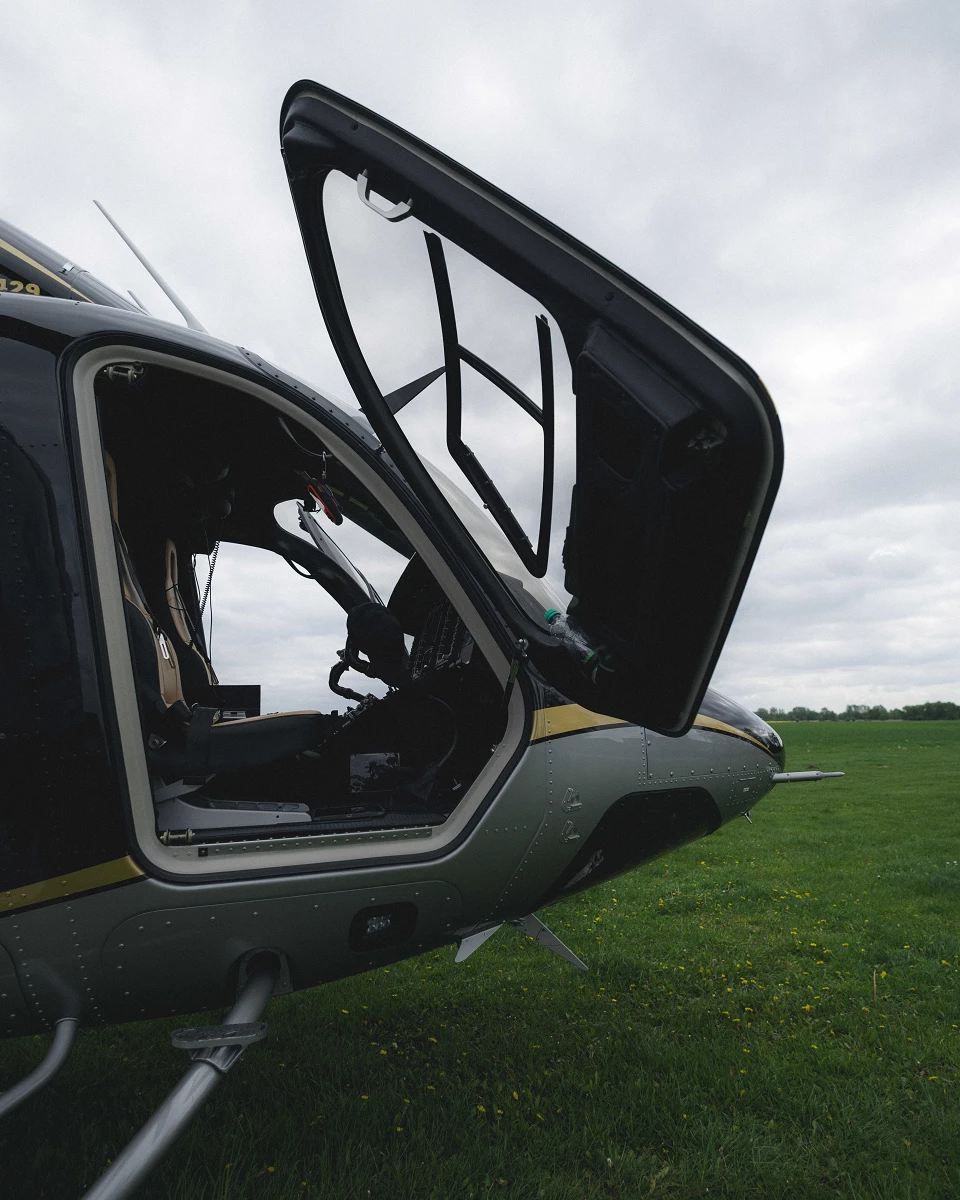
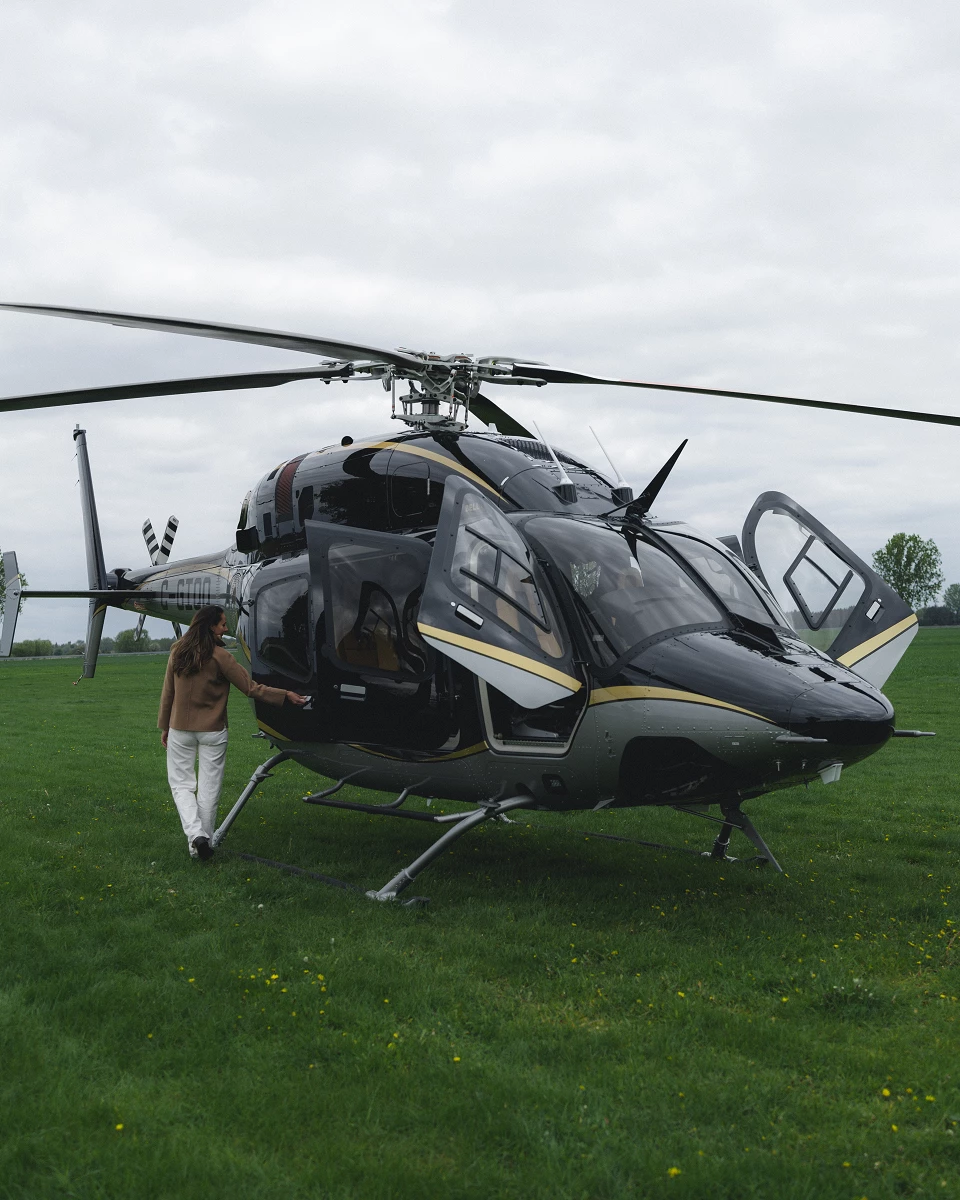
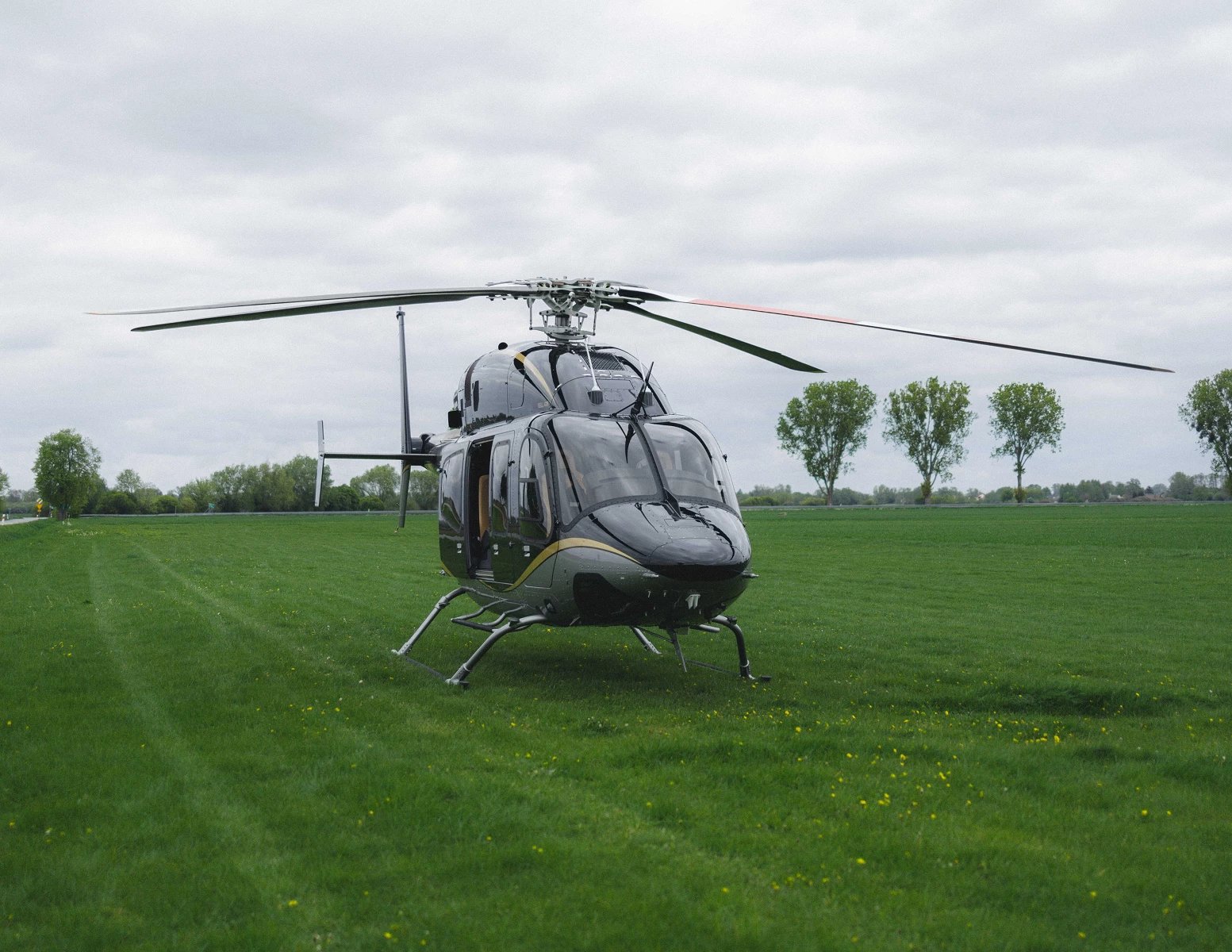
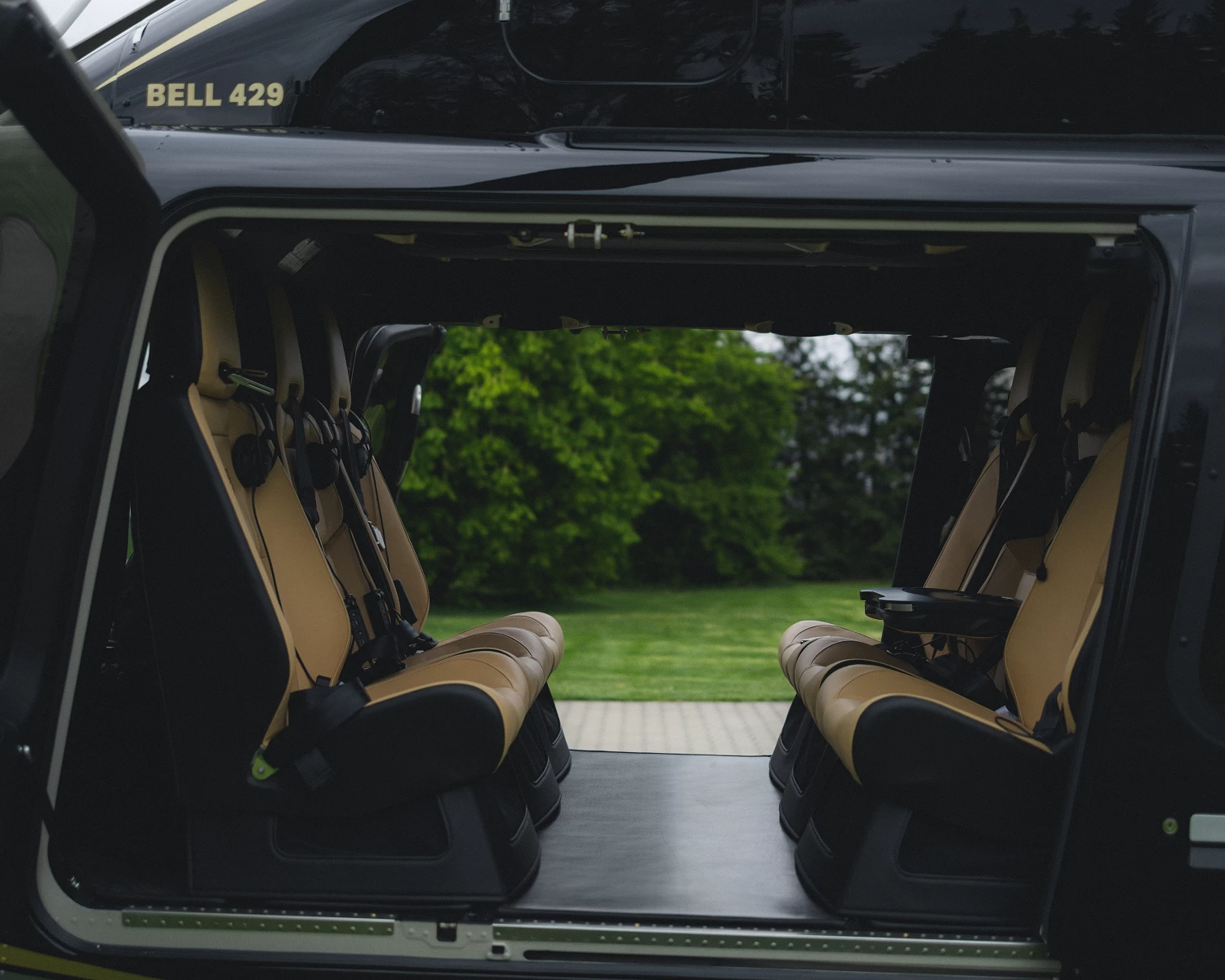
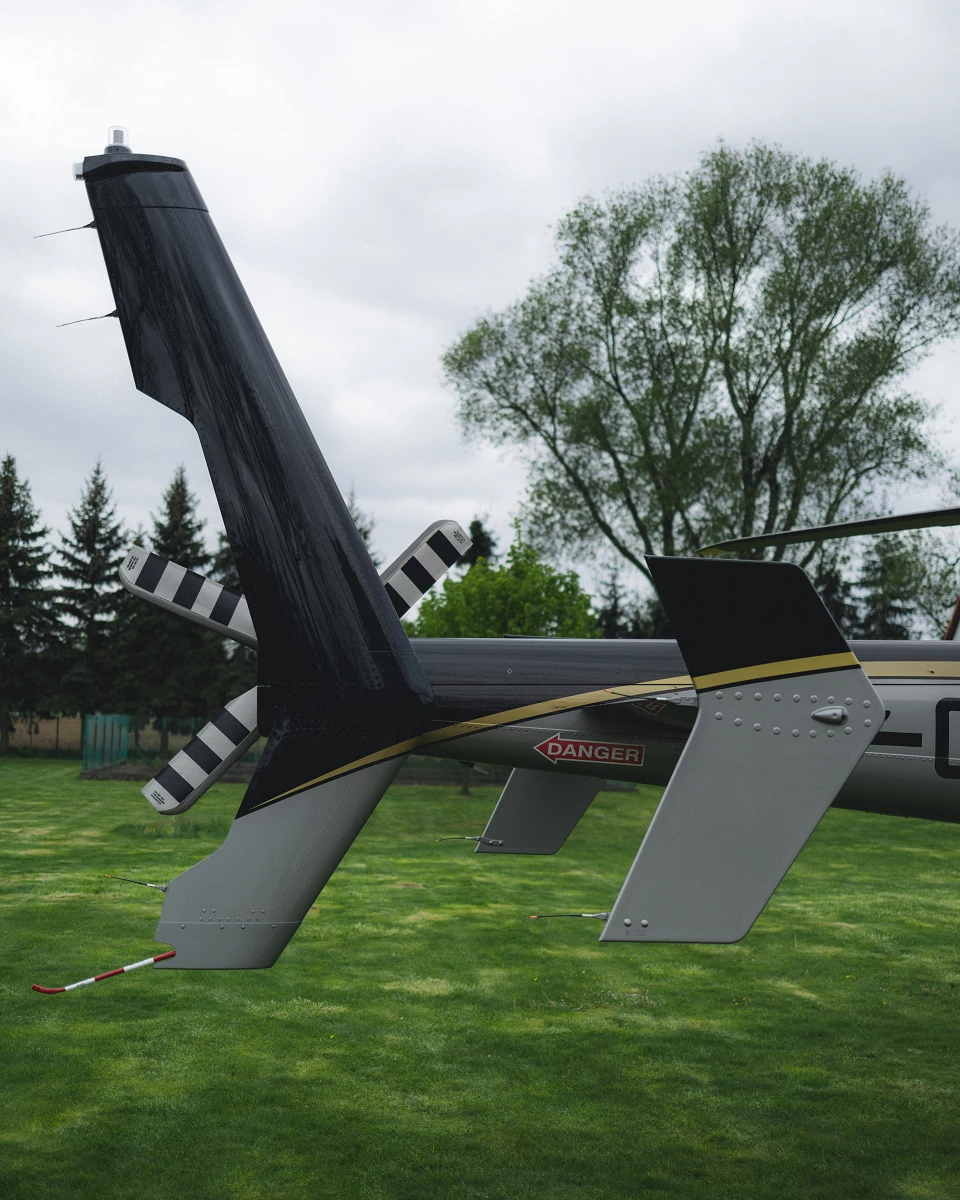
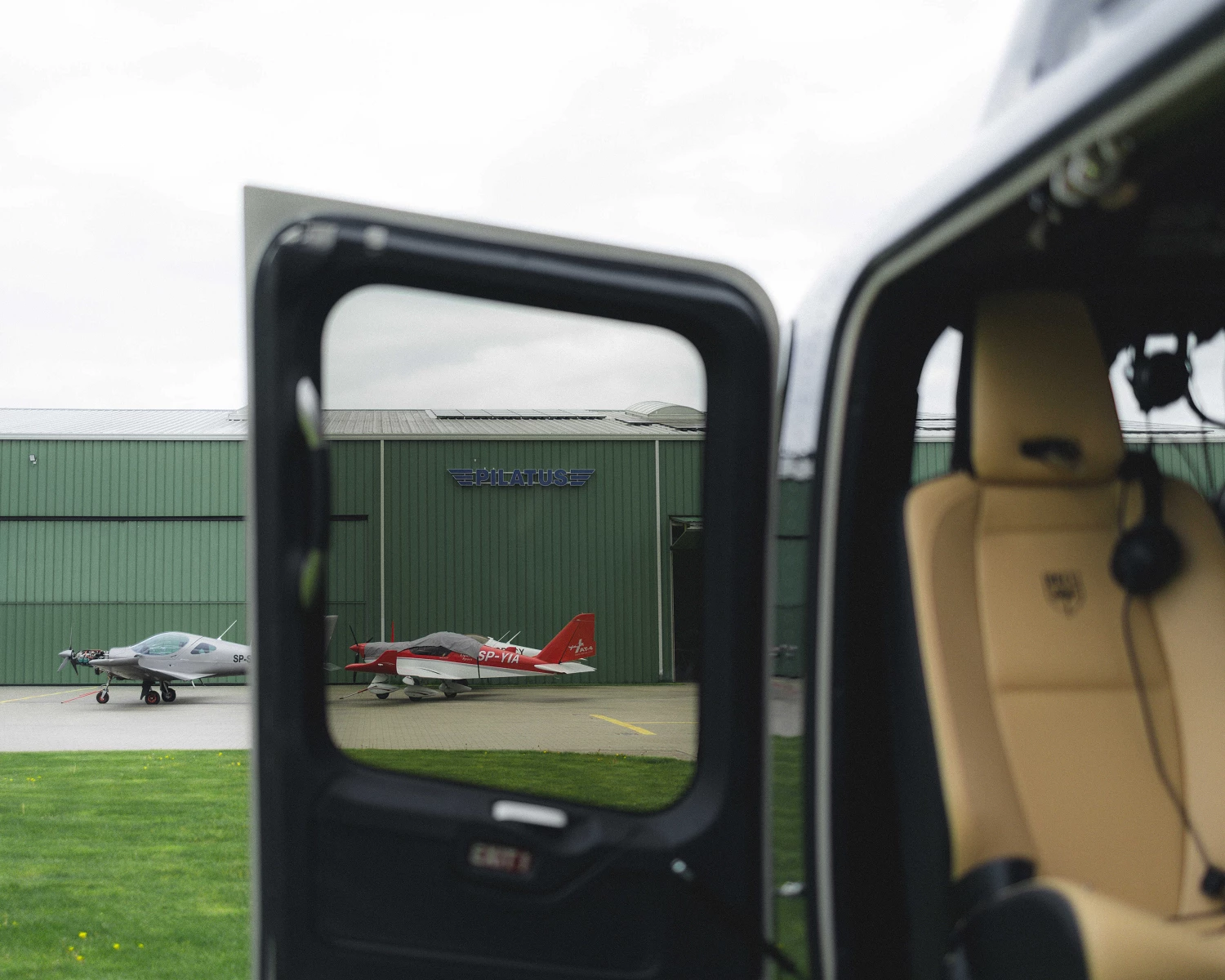
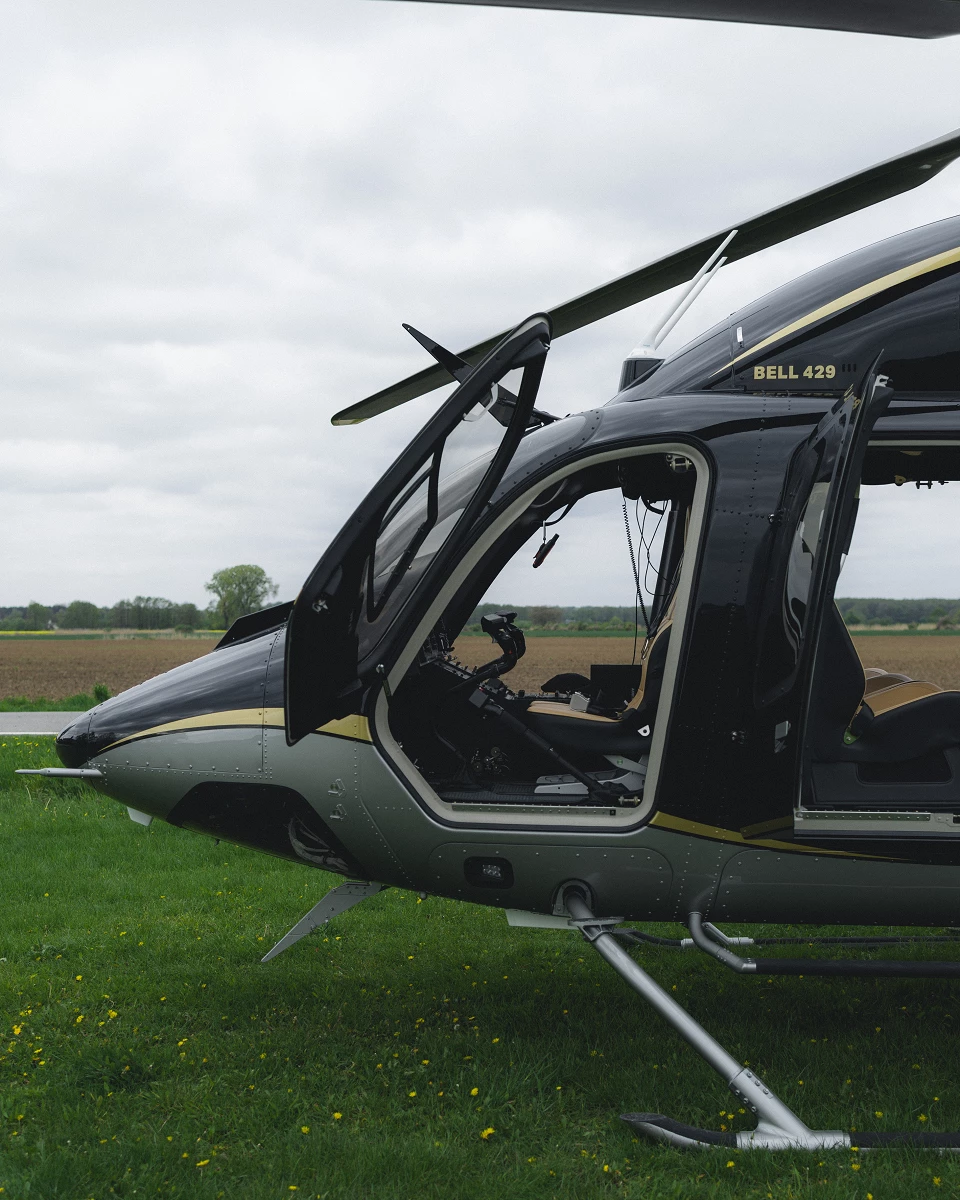
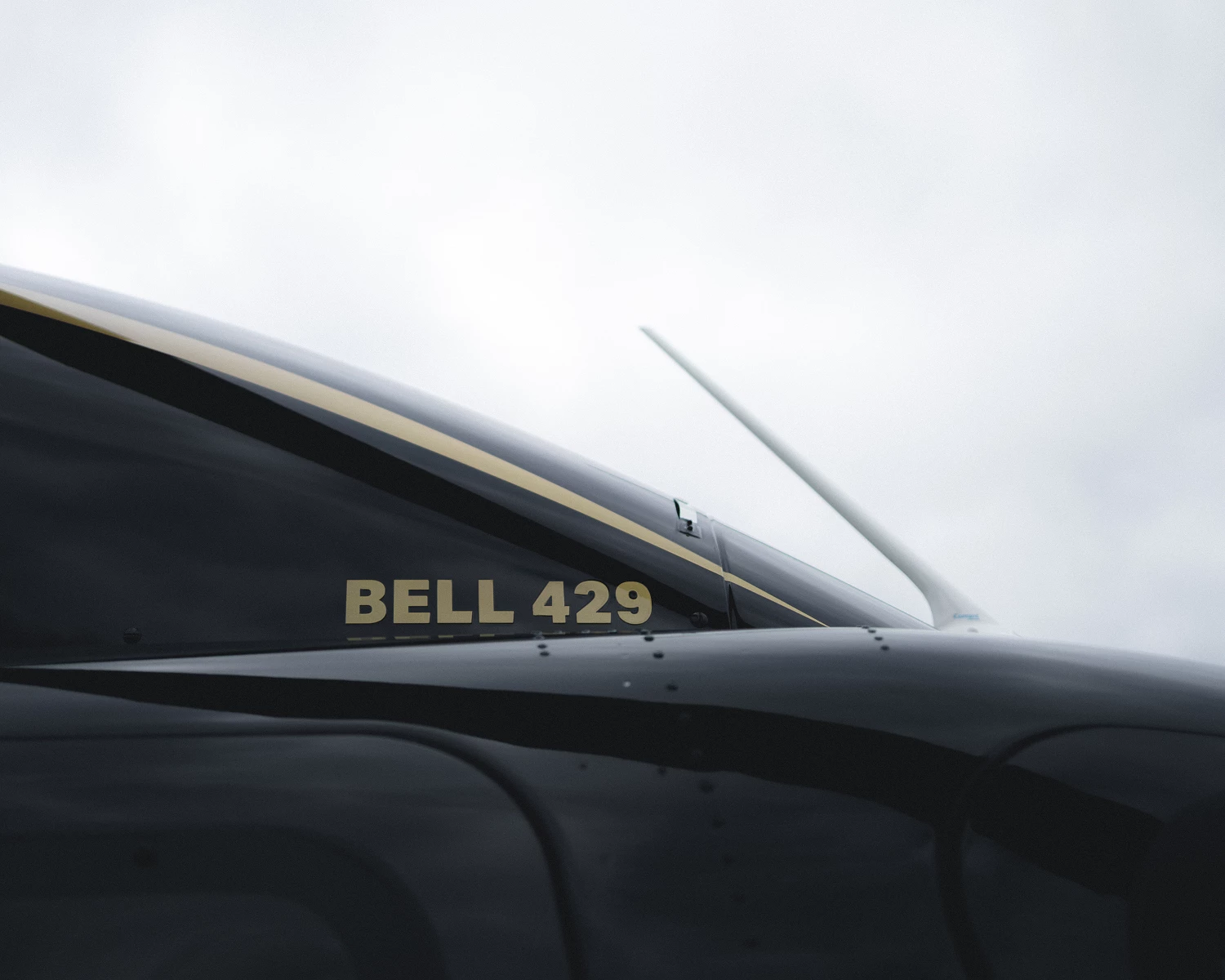

The Bell 429 is zero compromise - this twin-engine helicopter combines an exceptional flight experience with passenger comfort even in very demanding weather conditions.