
How can you reduce helicopter operating costs?
series - aviation from scratch
The fundamentals that are of key importance
Owning your own aircraft is the ultimate form of independence, but in the case of rotorcraft, it comes with specific financial challenges. Due to its complex mechanics—rotors, gearboxes, hydraulic systems—a helicopter generates higher direct operating costs than an airplane of similar weight. However, experienced operators know that proper fleet management, piloting techniques, and preventive maintenance can reduce these expenses by as much as several dozen percent. Where can you find savings without compromising safety?
Choosing a machine
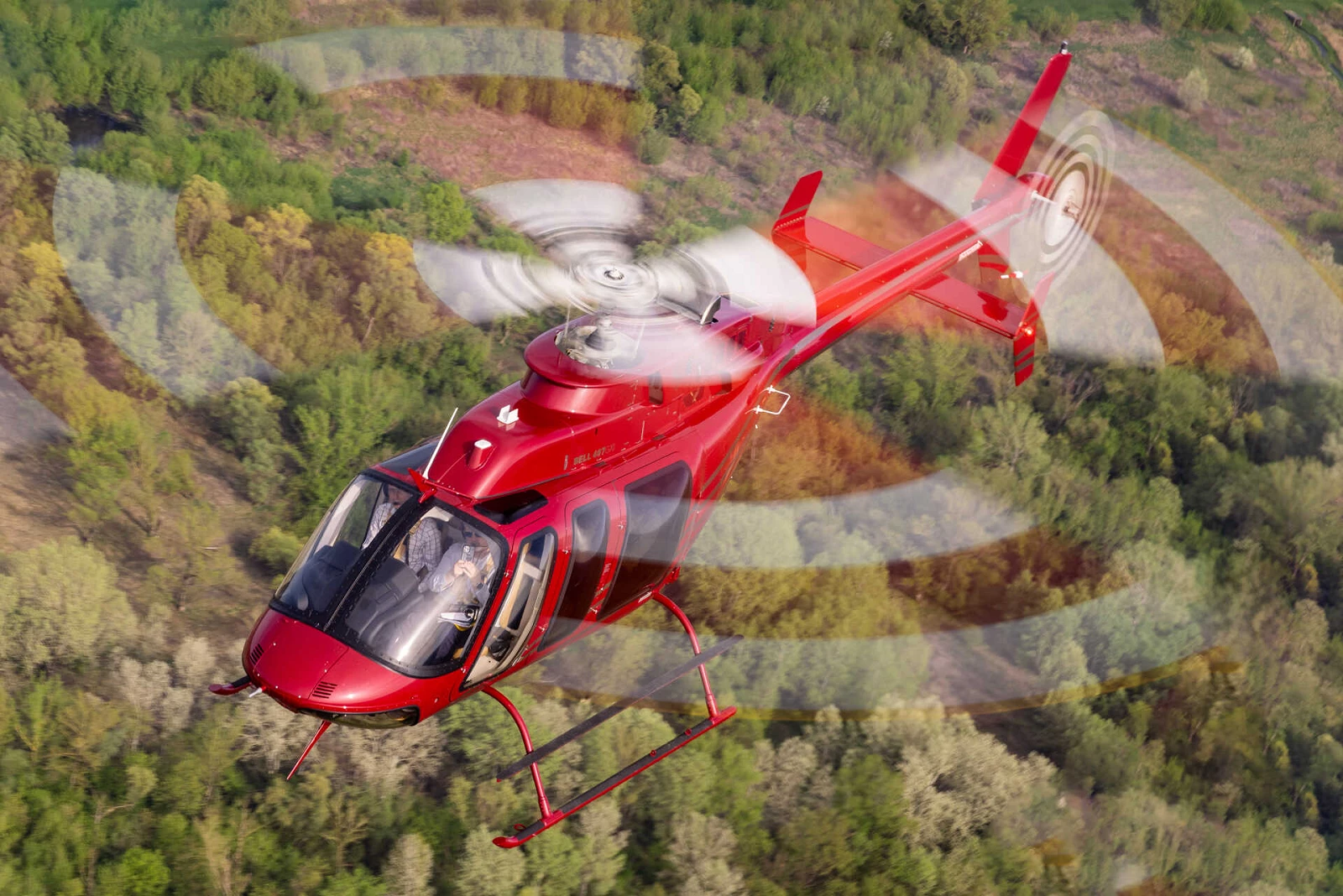
The key to low costs lies in choosing the right design. Older generations of helicopters, while cheaper to purchase, often turn out to be “bottomless pits” when it comes to maintenance. In the case of the modern Bell 505 helicopter, designed based on the MSG-3 (Maintenance Steering Group) philosophy, one of its key advantages is the extended time between maintenance checks.
FADEC (Full Authority Digital Engine Control) also plays a key role here. Electronic engine control not only facilitates startup, but above all optimizes fuel consumption during every phase of flight and protects the engine from exceeding critical parameters (such as temperature or torque). Avoiding a so-called hot start or exceeding power limits saves tens of thousands of dollars in unplanned turbine overhauls.
It is also worth noting the rotor’s design. Modern composite blades often have a “condition-based” service life (replacement based on technical condition), unlike metal blades, which have a strictly defined, short service life measured in hours.
Professional fleet management
Many owners view continuing airworthiness management (CAMO) as a tedious administrative burden. Yet a professional CAMO is a powerful tool for cost optimization.
An experienced CAMO engineer plans maintenance in advance by grouping maintenance tasks together. Instead of grounding the helicopter five times a year for minor replacements, you can schedule a single extended downtime (a so-called maintenance slot) during which annual inspections, replacements of components nearing the end of their service life, and avionics updates will be performed. This approach minimizes downtime, and as we all know, a machine that isn’t flying only generates costs.
Driving technique and component wear
The human factor has a direct impact on maintenance costs. An aggressive flying style—involving sudden maneuvers, frequent use of takeoff power, and failure to observe turbine cool-down times before shutdown—drastically accelerates the wear and tear of key dynamic components.
Every helicopter has components with a limited service life, and their wear is measured not only in flight hours but also in cycles. An experienced pilot who operates the aircraft smoothly and within the limits can significantly extend the life of the gearbox or drive shafts. Investing in regular training for the crew therefore pays for itself many times over in lower spare parts costs.
A smart approach to insurance
Aviation insurance is one of the largest items in the annual fixed-cost budget. However, it is worth noting that insurance rates are not fixed and are subject to negotiation based on a risk assessment. Insurers view operators who invest in safety beyond the minimum requirements more favorably.
Regular training on flight simulators, which allows pilots to practice emergency procedures that cannot be safely performed on an actual aircraft, serves as proof of the crew’s professionalism to insurance companies. Similarly, equipping the aircraft with modern safety systems, such as synthetic terrain display and obstacle warning systems, has the same effect.
Weight Management and Fuel Logistics
An often-overlooked aspect of flight economics is takeoff weight management. In helicopter aviation, every additional kilogram of payload translates into increased power requirements and, consequently, higher fuel consumption. Precise mission planning and fuel requirements (including navigation reserves) help reduce the load on the powerplant and lower direct costs.
Fueling logistics are equally important. Aviation fuel prices can vary significantly depending on the airport and supplier. Using fuel cards that offer network discounts and scheduling stopovers at airports with competitive rates is a simple way to save money. Over the course of a year, with intensive operation, the difference in the price per liter of fuel can amount to enough to cover the cost of a basic maintenance check.
Hangar storage and corrosion prevention
The operating environment is a silent killer of the budget. Corrosion of the airframe and avionics is among the most expensive faults to repair. For this reason, the helicopter must be stored in a heated and ventilated facility. Storing the aircraft outside a hangar, especially in a humid climate with significant temperature fluctuations, leads to the degradation of expensive electronics and structural components.
In addition, a key preventive measure is to clean the engine compressor regularly. Removing salt deposits and contaminants not only protects against corrosion but also restores the aerodynamic efficiency of the turbine blades, which results in lower fuel consumption and a lower engine operating temperature.

Please feel free to contact me. I’d be happy to provide any information regarding helicopter operations and related matters.