
The Global Aviation Market in 2026

Introduction
The year 2026 brings a marked acceleration in the global aviation market. Following a period of turbulence caused by the pandemic and supply chain disruptions, the industry is entering a phase of rapid growth, yet it is also facing rising geopolitical tensions, regulatory pressure, and technological transformation. The spotlight remains on both aircraft manufacturers and the helicopter segment—which is becoming increasingly linked to the defense sector.
The aircraft market—a return to growth and record orders
Global demand for passenger and cargo aircraft remains very high. According to manufacturers’ forecasts, air traffic will grow by an average of about 5% annually, which translates into a need for tens of thousands of new aircraft in the coming decades.
Key trends:
- Record-breaking order backlogs – Airbus ended 2025 with a backlog of 8,754 aircraft and plans to deliver approximately 870 aircraft in 2026,
- fierce competition between Airbus and Boeing – the start of 2026 saw Boeing return to high production efficiency (46 deliveries in January vs. 19 for Airbus),
- dominance of narrow-body aircraft – growing regional and medium-haul traffic is driving sales of models such as the A320 and 737 MAX.
At the same time, airlines are modernizing their fleets—one example is LOT Polish Airlines, which is expanding its fleet of Dreamliners and plans to introduce Airbus A220s as the backbone of its regional routes.
Bottlenecks: Supply Chains and Production Constraints
Despite strong demand, the industry continues to face significant operational challenges;
- component shortages (especially engines),
- production capacity constraints,
- cost pressures.
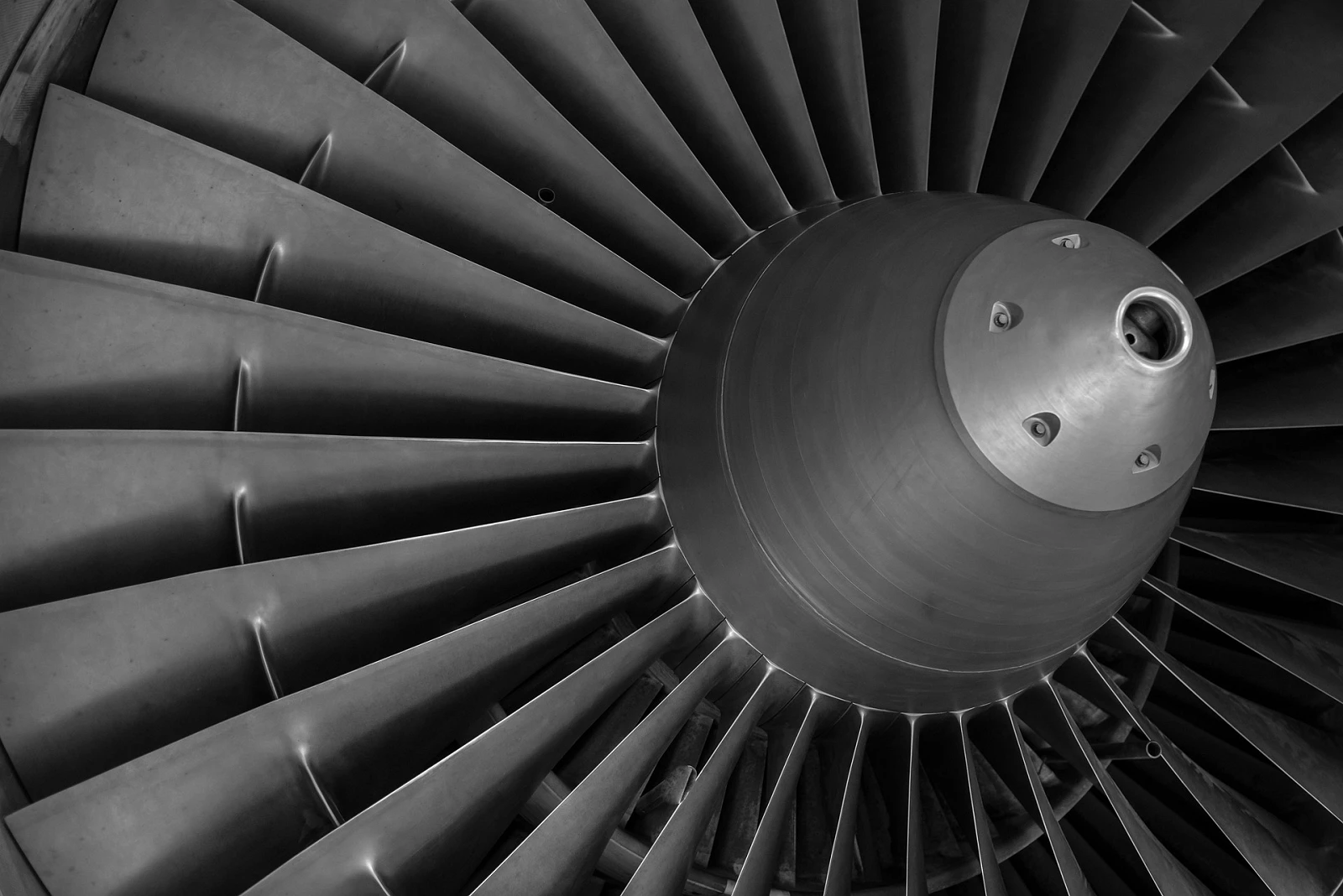
Problems with Pratt & Whitney engines are affecting Airbus’s production pace, delaying the ramp-up of production. This shows that the market recovery is not proceeding evenly—demand is outpacing supply.
The Helicopter Market: The Growing Importance of the Military and Rescue Sectors
The helicopter sector is currently experiencing strong growth, driven mainly by:
- military needs
- development of emergency services
- increased government investment in security
In 2025, Airbus Helicopters saw a nearly 20% increase in orders and delivered 392 helicopters, maintaining a market share of over 50% in the civil sector.
New directions for development:
- high-speed helicopters and hybrid designs (NATO projects)
- growing global demand—including from police, emergency services, and commercial operators
- the militarization of the sector—an example is the UK’s New Medium Helicopter program, in which the AW149 was selected
There is a clear shift in the market toward dual-use (civilian and military) applications.
Geopolitics as a key market factor
The current geopolitical situation is having a major impact on the development of aviation:
Conflicts and security;
- The war in Ukraine and global tensions are driving up demand for military equipment
- NATO countries are stepping up their investments in aviation.
Market fragmentation;
- Airspace restrictions (e.g., over Russia) affect routes and costs
- Changes in global supply chains.
New national strategies;
- strengthening technological independence
- developing domestic manufacturing capabilities
As a result, the aviation market is becoming increasingly intertwined with security policy.
Climate regulations and environmental pressure
Europe remains a leader in environmental regulation. The EU ETS increases CO₂ emission costs for airlines, which affects:
- a decline in profitability (by as much as 8–45%),
- changes to the route network (a shift toward shorter routes),
- an increase in ticket prices.
At the same time, pressure is mounting on:
- the development of SAF fuels,
- the electrification and hybridization of propulsion systems,
- the design of more efficient aircraft.
Global Outlook – Where Is the Market Headed?
Europe;
- Steady growth, but under pressure from regulations and costs,
- Airbus's strong position.
Asia;
- the fastest-growing passenger market,
- China's growing role as a manufacturer.
North America;
- Boeing's recovery,
- high demand for cargo transport.
Middle East;
- development of aviation hubs,
- investments in wide-body aircraft.
Summary
The aviation market in 2026 is experiencing rapid growth, yet it also faces fundamental challenges. Record demand for aircraft and helicopters stands in contrast to production constraints and growing regulatory and geopolitical pressures.
Key takeaways;
- Demand for new aircraft remains very high,
- the helicopter sector is becoming increasingly militarized,
- Geopolitics is becoming a key market factor,
- the green transition will shape the industry’s future.
In the long term, aviation remains one of the most important sectors of the global economy—but its growth will increasingly depend not only on economic factors, but also on politics, security, and technology.
Do you have any questions? Contact us! Our experts will provide you with advice on cost optimization and a secure sales process, taking into account the current market situation. CONTACT